AI-Driven System Aims to Combat Bovine Respiratory Disease in Dairy Calves
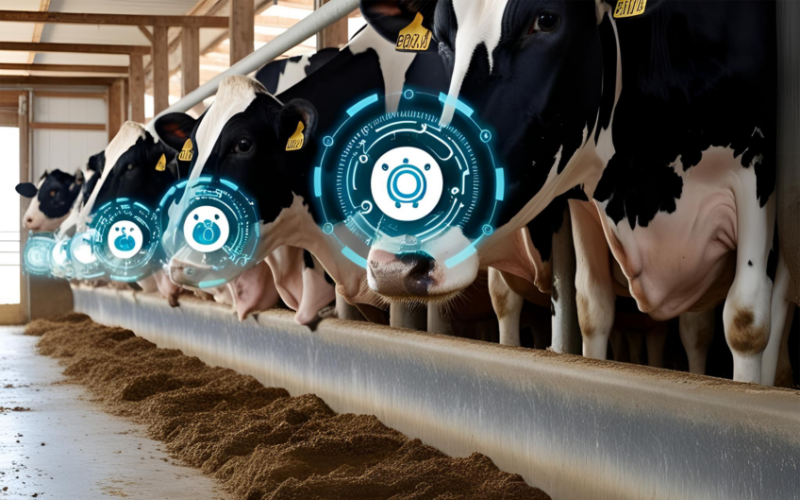
A collaborative research initiative led by Penn State, alongside the University of Kentucky and the University of Delaware, is developing an AI-enabled system called CalfHealth to detect bovine respiratory disease (BRD) in dairy calves. This project is supported by a three-year, $1 million grant from the U.S. National Science Foundation.
BRD is a significant issue within the U.S. cattle industry, leading to over $1 billion in losses annually. The CalfHealth system intends to identify signs of pneumonia in calves before symptoms become evident, thereby reducing economic losses and improving calf welfare. The system employs modern sensing technologies, including wearable sensors and robotic smart feeders, to monitor calf behaviors and detect changes in breathing patterns using a Wi-Fi-based system.
Melissa Cantor, an assistant professor of precision dairy science at Penn State, highlights the system's potential to lower antibiotic use and enhance farmers' profitability. The AI technology incorporates deep learning to identify critical changes in calf behaviors indicative of illness, adapting to different farm environments regardless of size or management style.
The project also aims to bridge the gap between farmers and technology by integrating a farmer-facing chatbot to explain system alerts and engage users with 'what-if' scenarios. This interactive approach is designed to build trust and encourage the adoption of such innovative tools among farmers.
Researchers plan to test CalfHealth across various farms to measure its impact on calf health and farm profitability, and they will conduct workshops and demonstrations for stakeholders. Ultimately, the project seeks to offer a scalable solution that could extend beyond dairy farming to other livestock applications.