Impact of Milk Price Decline and Palm Oil Use in Chocolate Production
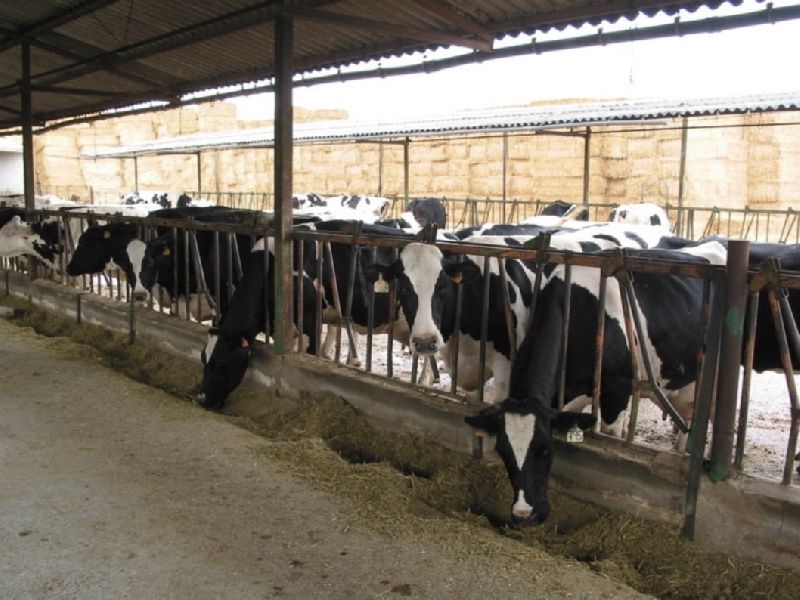
During the early months of 2026, dairy farmers have faced significant challenges due to falling milk prices and rising costs for diesel and fertilizers. Despite these pressures, milk production in Europe has surged, with Germany and France reporting significant year-on-year increases in February 2026. Germany noted a 7% rise, which translates to 169 million more liters, while France's production increased by 6%, or 111.8 million liters.
Concurrently, a shift in the chocolate manufacturing sector is observed, where the traditional use of milk is being replaced by palm oil and other vegetable fats. This change has nutritional, environmental, and economic implications, as palm oil is high in saturated fats and lacks the nutritional benefits of milk, such as calcium and protein.
The Global Dairy Trade event on April 7, 2026, reported a 3.4% decline in trading, reflecting ongoing market saturation and pressure. Similarly, the Dutch ZuivelNL Market reported declines in four out of five auctioned products on April 8, 2026. The increased milk production, particularly in the UK and Ireland, adds further pressure to the market, with the UK experiencing a 3% supply increase in January 2026 and Ireland over 4%.
The shift away from milk in chocolate production reduces demand for dairy, potentially impacting rural economies and farming communities. This trend has raised concerns over the nutritional value of chocolate, which previously benefited from milk's high-quality protein and vitamins.
As the dairy and confectionery industries navigate these changes, there is a call for consumers to support dairy-inclusive products to maintain nutritional standards and support local agriculture.