Wisconsin Farmers Union Warns Trade Breakdown Could Hurt Dairy Exports
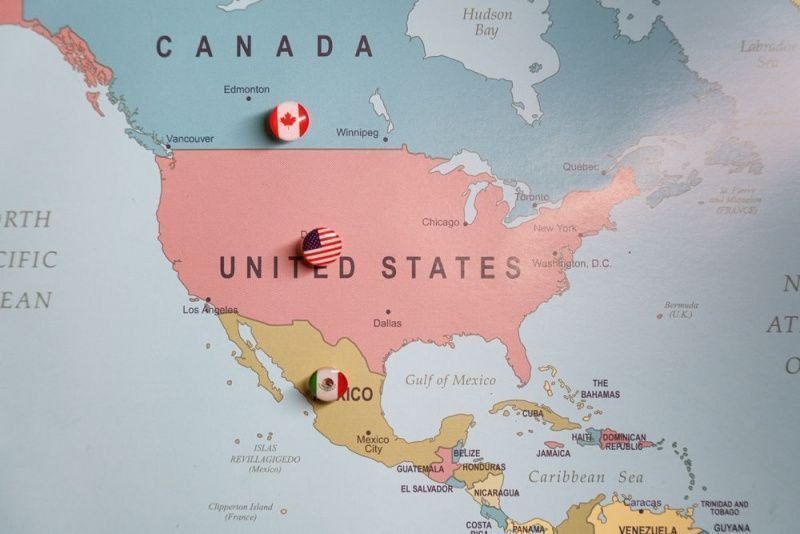
Wisconsin's exposure to a possible disruption in dairy trade stems from the milk balance in the Upper Midwest. The state produces substantially more milk than its population consumes, leaving processors dependent on sales outside Wisconsin, including commercial channels across the Canadian border.
Von Ruden said the vulnerability was particularly visible in central Wisconsin's butter industry. Canadian buyers help the sector reduce inventories that the domestic market cannot absorb. He warned that retaliatory tariffs imposed by Ottawa would be directed at leading dairy-producing states, rather than at smaller producers.
The dispute also concerns agricultural relations built over several decades. Von Ruden said the increasingly confrontational language risked weakening institutional cooperation and goodwill between farming communities in the United States and Canada. He described the negotiating approach coming from Washington as a “bully attitude” and said it disregarded the shared interests of farmers and consumers on both sides of the border.
The discussion contrasted the two countries' dairy-policy frameworks. U.S. trade associations focused on exports have often criticised Canada's supply-management system. Von Ruden said, however, that many independent American farmers viewed Ottawa's farmgate policies favourably.
According to Von Ruden, Canada's supply mechanism offers producers more stable prices, limits their exposure to market shocks and protects farm livelihoods. He contrasted those features with rising rates of farm closures and bankruptcies affecting family dairy operations in the United States. The comments linked the trade issue to the different conditions facing producers in the two countries, without providing estimates for the value or volume of exports at risk.