
Whole Milk Returns to U.S. School Cafeterias Amid Nutritional Debate
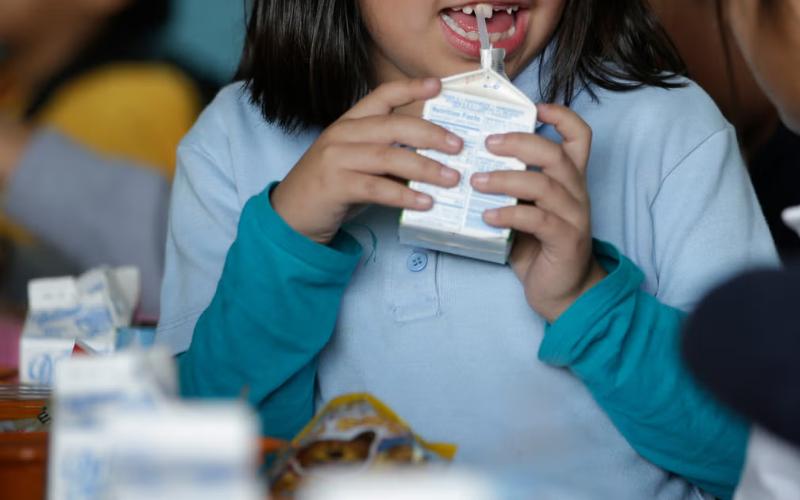
The U.S. Department of Agriculture (USDA) has authorized the return of whole milk to school cafeterias across the country. This decision, announced on January 20, 2026, revives a longstanding debate about the nutritional value of whole milk compared to lower-fat options.
Whole milk was previously removed from school lunch programs in favor of low-fat and non-fat alternatives due to concerns about childhood obesity and dietary fat intake. However, recent studies have prompted a reevaluation of these policies, suggesting that whole milk can be part of a healthy diet for children.
Advocates of the change argue that whole milk provides essential nutrients that are beneficial for children's growth and development. The National Milk Producers Federation has welcomed the USDA's decision, highlighting the importance of dairy in promoting healthy bones and teeth among school-aged children.
Critics, however, remain concerned about the potential impact on childhood obesity rates and stress the need for balanced dietary guidelines. The American Heart Association continues to recommend limiting saturated fat intake, which is higher in whole milk compared to its lower-fat counterparts.
The reintroduction of whole milk is expected to impact dairy farmers positively, as it could increase demand for whole milk products. It also aligns with efforts to support local agriculture and ensure the viability of the dairy industry.
This policy shift reflects a broader trend of reevaluating dietary guidelines in light of new scientific evidence and changing attitudes towards nutrition. Schools will have the option to offer whole milk alongside other dairy choices, providing students with a variety of options.