Welsh dairy farm invests £13,000 in pasteurisers after calf deaths
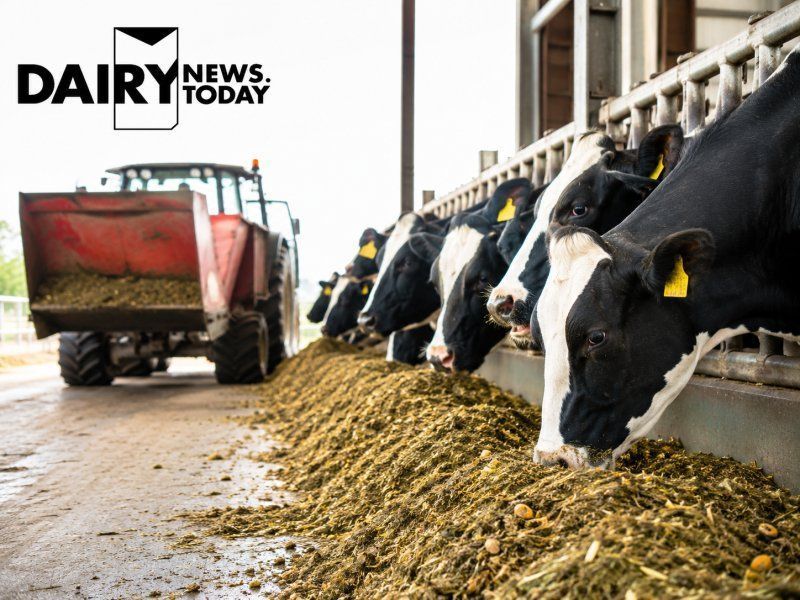
The Lewises run Pearson Farm at St Brides with their son Dylan, producing milk from a pedigree Holstein herd numbering 300. In August 2025, examinations following the deaths of six calves identified M. bovis in one animal’s lungs. The suspected route of infection was colostrum from its mother. The family bought two pasteurisation machines for approximately £13,000, with an efficiency grant from the Welsh Government covering part of the cost. Their feeding programme now uses heat-treated colostrum and, during each calf’s first two-and-a-half weeks, pasteurised whole milk.
Colostrum supplies antibodies that support newborn calves’ immunity and lower their subsequent susceptibility to microbial infection. Bacterial contamination can impede the uptake of these immunoglobulins while also exposing calves to pathogens. Although treating whole milk has become more common on dairy farms, colostrum pasteurisation remains less widespread. It requires additional labour and time during an already busy period, and its high fat concentration makes processing more difficult: heating can produce a consistency resembling butter.
At Pearson Farm, staff collect colostrum in a dump bucket before checking it with a refractometer. They aim for an immunoglobulin reading of 24–25, adding powdered colostrum when a batch falls below that target. Four-litre packets undergo treatment for an hour at 60°C before being frozen. Each newborn receives four litres after thawing, within its first hour, usually by bottle. A thawing programme on the machine prepares a packet in half an hour.
The subsequent whole-milk ration is held at 65°C for half an hour. At two-and-a-half weeks, calves move to an automated feeder supplying milk replacer. Geoff says diarrhoea has not historically been a major problem on the farm; pneumonia and other respiratory conditions have been the principal challenge. He reports fewer such cases since pasteurisation began. He also stresses calving hygiene: cows are kept clean before giving birth, and calves are delivered in clean surroundings.
Sophie Prichard, the farm’s veterinarian at Fenton Vets in Pembrokeshire, regards pasteurisation as valuable for calf health but stresses the importance of collection, storage and feeding practices. Preventing contamination when harvesting and storing colostrum remains a priority whether or not it undergoes heat treatment, she says. The industry’s recommended colostrum treatment is an hour at 60°C, matching the protocol used by the Lewises.
According to Prichard, pasteurisation has demonstrated effectiveness in eliminating M. bovis, Listeria monocytogenes, Escherichia coli and Salmonella enteritidis. However, it does not destroy every infectious agent associated with Johne’s disease or fully remove Mycobacterium bovis, which causes bovine tuberculosis. She says treatment is likely to lower the infectious load associated with tuberculosis and Johne’s disease, without eliminating it.
Prichard also says pasteurisation should extend refrigerated storage life when handling and chilling are carried out correctly. Untreated colostrum can be refrigerated for 24 hours in a clean bucket fitted with a lid; correctly pasteurised and refrigerated colostrum should keep longer. Heating denatures some antibodies, but she says the reduction in contamination allows calves to absorb a greater quantity of functional antibodies than they would from untreated colostrum.