Valle de Santiago dairy farmers receive overdue payments
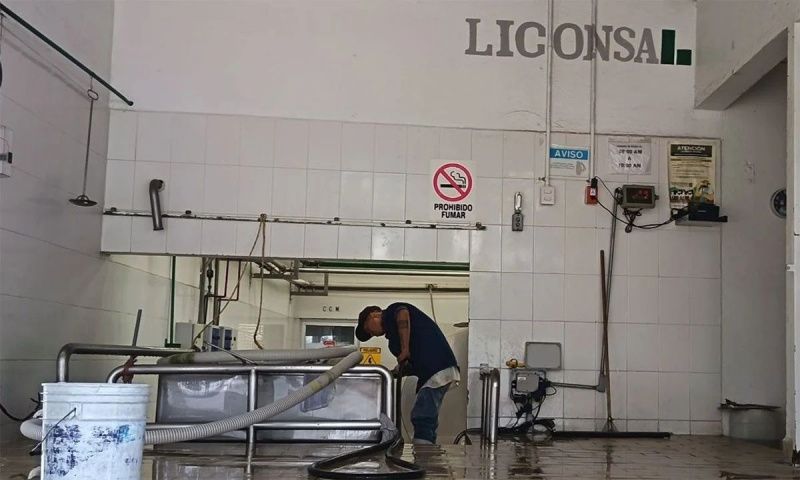
Dairy farmers in Valle de Santiago, in central Guanajuato, have started receiving funds withheld after payment delays by Leche para el Bienestar, the state agency previously identified as Liconsa. Producer organisations said bank transfers began to arrive progressively, allowing farmers to meet immediate bills to feed and input suppliers.
The delayed payments were part of a federal budget contingency that affected more than 500m pesos nationally, according to the report. The disruption extended to dairy-producing areas in Jalisco, Chihuahua, Chiapas and the Bajío. In Valle de Santiago, unpaid invoices had accumulated under the guaranteed-price scheme, which sets the purchase price at 11.50 pesos per litre.
Valle de Santiago is home to one of three strategic collection centres operated by the state company in Guanajuato. The other centres are in San Felipe and Juventino Rosas. The Valle de Santiago facility receives thousands of litres of raw milk each day from family farms and semi-intensive operations in the Bajío.
Milk delivered through the collection system must be kept at 4°C to meet institutional requirements for acidity, butterfat and protein. During the payment delays, farmers continued operating mechanised milking rooms and cooling tanks and maintained deliveries on a 72-hour cycle. More than 140 registered dairy farmers in the state depend on this infrastructure, according to the report.
The interruption in institutional payments also affected regional sales. Some farms sold surplus milk to small artisanal cheese-makers at prices below their production costs, while private buyers in the Bajío typically offer lower rates during periods of abundant feed supply. Farmers also face competition from dairy substitutes made with vegetable fats, which producer representatives describe as reducing commercial space for cow’s milk.
Feed accounts for as much as 70% of the cost of producing a litre of milk in Guanajuato. Expenses include maize silage, hay, protein concentrates, electricity for water pumping and veterinary medicines, including treatments related to mastitis and reproductive health. During the delay, some farmers borrowed from feed merchants or discounted cheques through informal financial channels. The incoming payments are intended to ease pressure on farms and reduce the need to sell productive breeding cows at meat auctions.
Although the outstanding balances are being settled, dairy-sector representatives are calling for a fixed timetable for future transfers and clearer contractual arrangements. They said the social-supply programme requires reliable payments to farmers supplying milk to vulnerable consumers. The federal government has set a goal of expanding the programme’s beneficiary register to 10m people by 2030, while the sector is seeking protected budget allocations for purchases of domestic milk.