USDA Cattle Placement Anomalies Linked to Beef-on-Dairy Trends
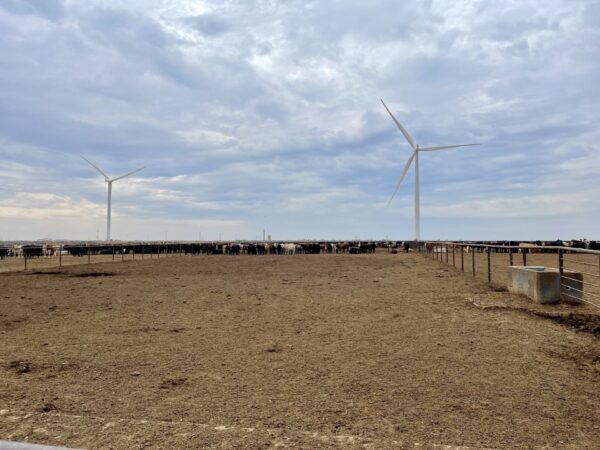
The United States Department of Agriculture (USDA) has reported fluctuations in the number of cattle placed into feedyards, as indicated in their recent Cattle on Feed report. Economist Charley Martinez from the University of Tennessee attributes these variances partly to the presence of beef-on-dairy calves. Unlike traditional beef cattle, these calves initially remain undocumented within National Agriculture Statistics Service data until they progress through standard market channels.
Recent USDA reports showed a 10% decrease in cattle placements following a 6% increase in May, during a period when the national cattle herd is historically small. These placements, which include steers and heifers moved into feedlots, impact future cattle harvest numbers. Martinez emphasizes the importance of understanding the beef-on-dairy complex for accurate data interpretation.
He notes, "It'll allow us to look at this percentage of heifers that are on feed that might be beef on dairy." This distinction is crucial as it affects herd retention decisions and the broader phase of cattle liquidation. According to Martinez, if a heifer is identified in a feedyard, it suggests she was not retained for production, an indicator of continued liquidation unless classified as beef-on-dairy.
Another factor potentially contributing to placement volatility is the detection of New World screwworm in the United States, which could influence cattle numbers in upcoming reports.