Underreporting of Cattle Screwworm Cases Alarms Veracruz Farmers
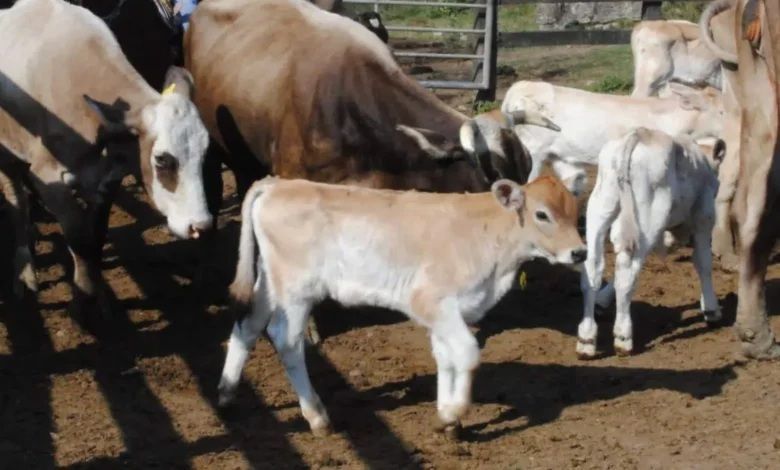
Farmers in the northern regions of Veracruz, particularly in areas like Pueblo Viejo, Tampico Alto, and Ozuluama, have raised concerns about the significant underreporting of cattle screwworm cases. According to local producers, the official statistics provided by the Servicio Nacional de Sanidad, Inocuidad y Calidad Agroalimentaria (Senasica), which indicate 93 confirmed cases as of July 6, 2026, do not reflect the true extent of the outbreak. This underreporting is attributed to the lack of formal notifications to sanitary authorities from farmers.
The primary victims of the screwworm infestation are newborn calves. The larvae of the screwworm fly find an entry point through the exposed tissue of the umbilical cord and the wounds caused by mandatory identification tags under the National System for Individual Identification of Livestock (Siniiga). If untreated, these larvae can consume living tissue, threatening the viability of the animals.
In response to the infestation, local farmers have implemented continuous monitoring schemes in calving areas. They are also bearing the financial burden of daily inspections and chemical treatments for each animal to prevent further complications and significant economic losses due to calf mortality. The lack of coordinated intervention in rural municipalities has made direct preventive control the main line of defense.
Despite the official statistics, local associations question their accuracy, especially as high-density livestock areas like Ozuluama show no reported cases. This discrepancy is partly because many farmers choose to handle infestations independently rather than report them.
In an effort to contain the spread of the pest to other livestock regions in the country, farmers are urging the government to strengthen epidemiological surveillance in the Huasteca region of Veracruz. They are calling for the simplification of outbreak reporting mechanisms, expedited technical assistance, and the relaunch of mass prevention campaigns focusing on the management of identification-related wounds, which are critical for maintaining national sanitary status.