UN Intervention Requested Over New Zealand's Climate Law Reversal
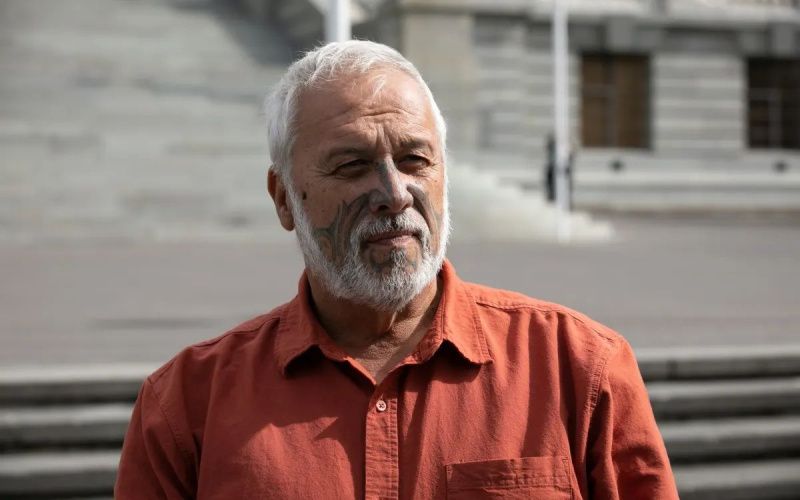
Iwi leader and climate advocate Mike Smith has formally requested intervention from the United Nations in response to New Zealand's proposed legislative changes to its climate laws. The government intends to amend existing legislation in a way that would prevent private citizens and indigenous groups from suing major corporate polluters, such as Fonterra, over greenhouse gas emissions.
The proposed law change is aimed at retroactively dismantling Smith’s Supreme Court case against Fonterra and five other major domestic emitters. This legislative move is seen as a protective measure for the country’s largest primary processing entities, which are essential to New Zealand's agricultural export sector.
Agricultural advocates argue that shielding companies like Fonterra from extensive climate litigation is necessary to maintain stable milk production and economic resilience amid global inflation. Conversely, indigenous leaders claim that removing legal accountability undermines New Zealand’s environmental commitments and sets a concerning precedent for international climate governance.
Smith’s appeal highlights a growing trend among climate advocates to seek international support when local policies conflict with global sustainability objectives. He argues that the government’s actions violate international indigenous rights frameworks and threaten the independence of the judiciary.
The outcome of this appeal to the UN could influence the operational boundaries and sustainability protocols of New Zealand's dairy export industry. If the UN decides to intervene, it might prompt regional supply chains to implement stricter voluntary emissions reductions to maintain their social license to operate.
As this situation unfolds, stakeholders in the international dairy community, including processing unions and global trade compliance directors, are closely monitoring developments in Wellington. The balance between national legislative actions and global accountability remains a point of tension in the ongoing debate over climate responsibility.