U.S. Milk Production to Lead Global Dairy Growth in 2026
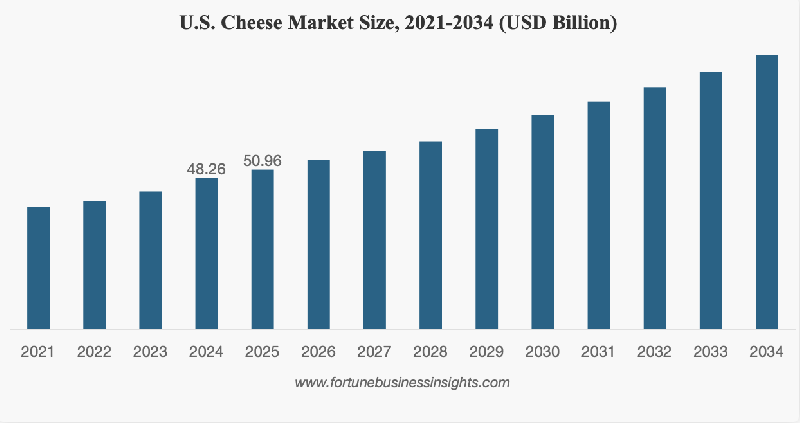
The United States is set to bolster its position as a key player in the global dairy market in 2026. According to the USDA, U.S. milk production is anticipated to reach 106.2 million metric tonnes, marking a 1.2% increase fr om the previous year. This growth is primarily driven by herd expansion and enhanced processing capacity, aligning with strong domestic and export demand for cheese.
In contrast, other major dairy-exporting countries are experiencing mixed production forecasts. Argentina expects a robust 4.0% increase in milk output due to improved pasture conditions and feed availability. Australia is projected to see a 1.8% rise, aided by favorable rainfall and low feed costs, though industry consolidation may lim it rapid growth.
Conversely, New Zealand and the European Union face challenges with expected declines in milk production by 0.5% each. New Zealand's reduction is attributed to a decrease in cow numbers, while the EU struggles with environmental regulations, disease pressures, and rising costs, which hinder production despite gains in milk yields per cow.
Overall, global milk production among major exporters is forecast to grow by only 0.4% in 2026, with the United States accounting for most of this increase. The constrained supplies in the EU and New Zealand may lead to higher global dairy prices, potentially boosting demand for U.S. dairy exports, particularly cheese and other value-added products.
The USDA's outlook underscores the growing influence of the United States in shaping global dairy trade dynamics and price trends.