Tuberculosis Outbreak in Chihuahua Affects 38 Cattle Herds
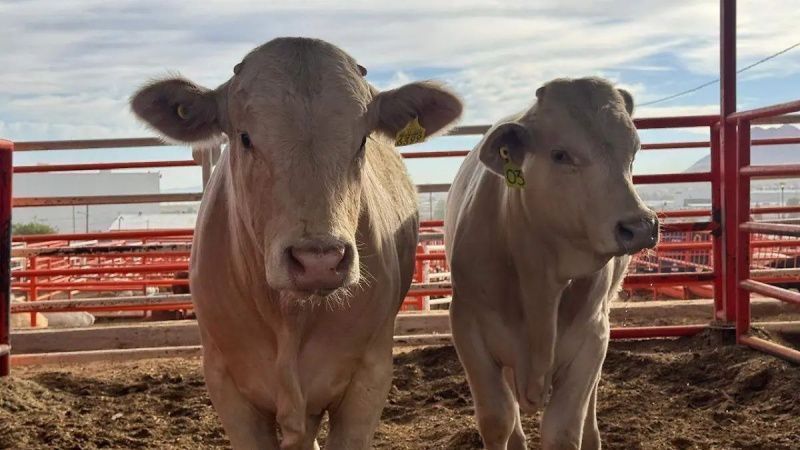
The state of Chihuahua has confirmed the presence of bovine tuberculosis in 38 cattle herds, with the majority of affected herds located in the southern region, known for its high agricultural density. The Animal Health Service has activated mandatory quarantine protocols in the identified areas to contain the bacteria's spread and safeguard the region's zoosanitary status.
These cases were identified through routine epidemiological sampling and tuberculin testing conducted directly in the corrals. Controlling these 38 herds is a top priority for the livestock authorities, as an increase in the disease's prevalence could jeopardize international certifications. The affected production units are under strict official surveillance, with movement of livestock prohibited until microbiological clearance is achieved.
The outbreak poses a significant operational challenge for dairy and cattle producers in Chihuahua, impacting business profitability. Bovine tuberculosis is a chronic disease that gradually reduces milk production in cows and diminishes the herd's breeding value. The forced culling of animals that test positive leads to severe financial losses, disrupting cash flow in commercial farms.
Veterinarians and technical advisors in the northern region emphasize the need for stringent biosecurity and hygiene measures during daily milking processes. Implementing rigorous feed management, regular disinfection of facilities, and requiring disease-free certifications before introducing new breeding stock are crucial preventive measures.
Chihuahua's formal cattle unions have urged all producers to fully cooperate with health committees to expedite pending health sweeps. Maintaining low-prevalence zones is vital for keeping export borders open and ensuring a safe supply of raw material to dairy processing plants. The stability of Chihuahua's agricultural market depends on the swift and transparent eradication of these infection hotspots.