Trump's Statements on USMCA Cause Uncertainty in Agro-Trade
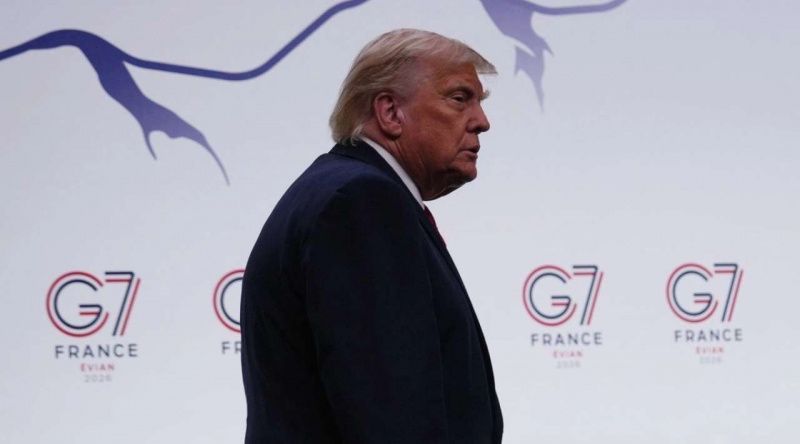
Former U.S. President Donald Trump recently suggested that the United States might achieve better economic outcomes outside the United States-Mexico-Canada Agreement (USMCA), sparking concerns about the future of agricultural trade between Mexico and the United States. Despite his critical stance, Trump did not completely rule out the possibility of renegotiating the trade deal, leading to speculation about the conditions he might propose.
The Mexican dairy sector is particularly concerned about these developments, as they could impact the importation of low-cost dairy ingredients such as skim milk and butyric fats, which are crucial for the industry. Changes in trade terms could also affect the pricing of milk at the farm level.
Analysts stress that the USMCA has been vital for regulatory standardization and investment certainty in the agricultural sector across the region. Any potential dismantling or tightening of the agreement could disrupt the supply chain of essential feed components for livestock, affecting northern and central Mexican regions.
Moreover, the fluctuating currency rates resulting from such political discourse introduce additional financial risks for dairy farmers. Veterinary and agricultural experts advocate for improving internal competitiveness by enhancing production efficiency, such as optimizing lactation curves and increasing total solids in milk.
In response, Mexican livestock organizations emphasize the importance of strengthening cooperative frameworks and diversifying sales channels to reduce reliance on the U.S. market. The ongoing debate over the USMCA highlights the need for robust public policies to support the sustainability of Mexico's agricultural sector by preserving the biological value of local milk production.
The stability of Mexico's agricultural market will depend on the sector's ability to swiftly adapt to geopolitical changes with technical rigor.