Transformation of Argentine Dairy Farm Through Dry Lot System
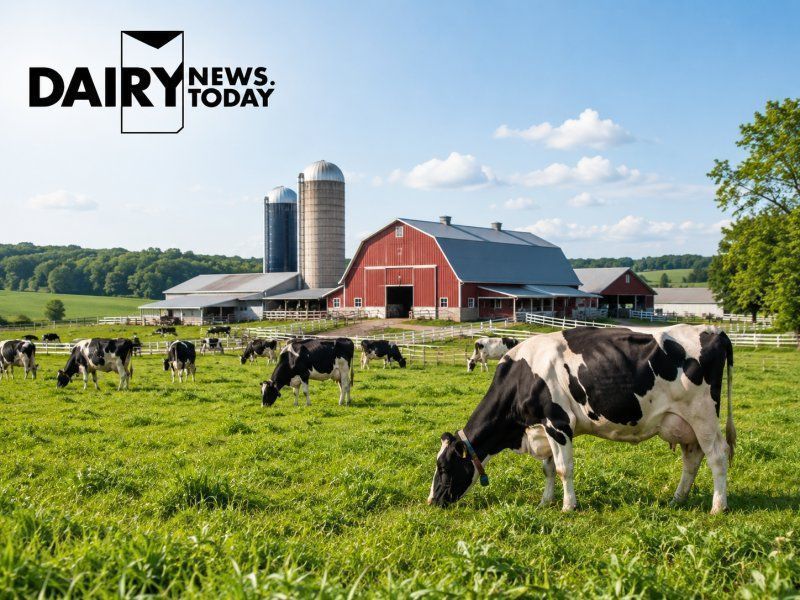
The Monzoni family, operating a dairy farm in Porteña, Córdoba, transformed their traditional dairy operations through a dry lot system, which has tripled their production potential. Originally, the farm consisted of 100 hectares and 120 cows but was no longer economically viable. In response, the Monzonis expanded the farm to 800 hectares with 620 cows, of which 520 are currently in milk production.
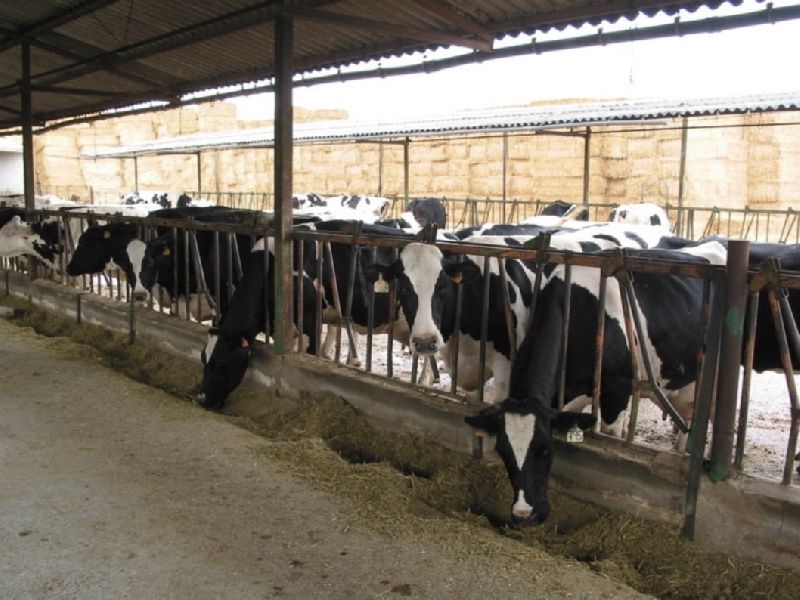
Under this new system, cows are kept in open-air pens and are fed a controlled diet, which includes corn and alfalfa silage, soybean meal, vitamins, minerals, and other supplements. This controlled feeding has led to an average milk yield of 38 liters per cow per day, with peaks reaching 42 liters during high production months.
The transition involved shifting from a traditional grazing system to an intensive model that allows for increased milk production per animal and optimized land use. The Monzonis incorporated strategic supplementation and high-quality genetics, utilizing sexed semen to enhance breeding outcomes.
In addition to productivity, animal welfare is prioritized. The farm features resting areas, shade, and regular cleaning to mitigate health risks such as mastitis. The operation also conducts three daily milkings, boosting production by about 15% with minimal additional feed consumption.
Genetic goals have shifted toward breeding smaller, more feed-efficient cows with longer lifespans and better milk solids, aligning with market trends that reward milk composition. Genomic tools facilitate this selection process.
Despite its benefits, the dry lot system presents challenges, such as managing mud during heavy rains and ensuring efficient team operations. Consequently, the Monzonis have implemented training and coaching programs to enhance teamwork and operational efficiency.
This case illustrates that increased productivity in dairy farming depends on a combination of management, genetics, animal welfare, and business acumen, rather than solely on infrastructure or feed quality.