Timely Detection of Livestock Pest Prevents Spread in Aguascalientes
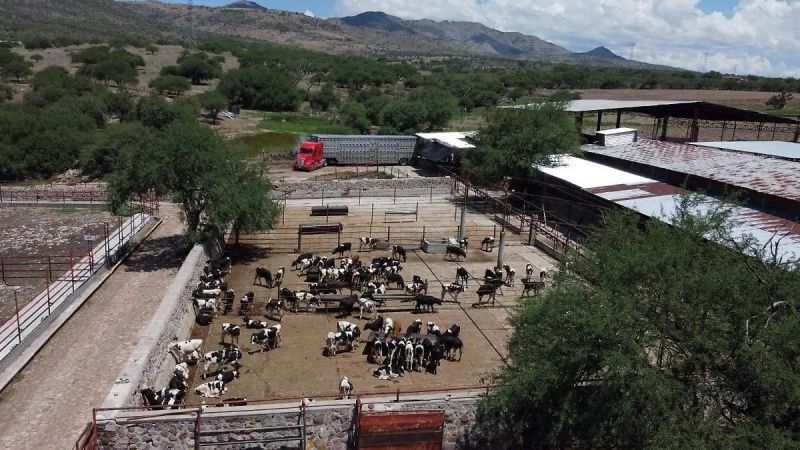
The sanitary status of Aguascalientes's livestock region remains under strict surveillance following the timely detection and control of a gusano barrenador case. The incident occurred at Rancho Los Nogales, owned by Juan Vidaña Martínez, who confirmed that his production unit is now free of the pest due to internal biological inspection protocols. Early identification of the parasite took place during routine reproductive management on a cow from his herd of 120 dairy cows and 90 calves, prompting immediate action to safeguard the farm's profitability.
The infection was identified as an abscess in the vulvar area, where larvae were found. Upon immediate reporting to official sanitary and food safety specialists, the affected cow was isolated. Intensive veterinary treatment involved 15 days of prophylactic confinement using ivermectin and the commercial healing agent Negasunt, with a favorable clinical response observed after four days, adhering to mandatory quarantine periods to protect the herd.
To ensure biosecurity and maintain the property's cleanliness, operational staff conducted a three-day intensive fumigation campaign across all confinement areas. Technical advisors and veterinary staff continue daily and random evaluations of the entire bovine inventory, confirming that the population is safe. This rigorous discipline in the milking parlor and corrals highlights the effectiveness of preventive management and swift action in mitigating external biological threats.
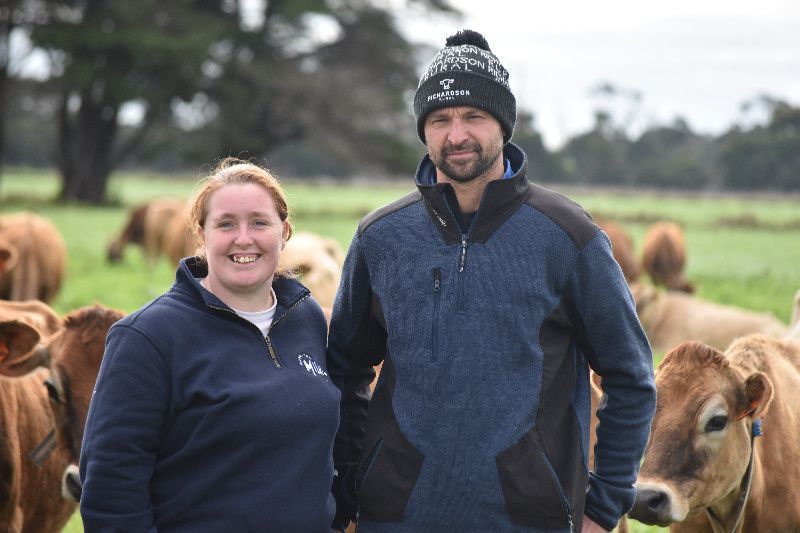
Cristina Vidaña, responsible for livestock management at the ranch, highlighted that a significant barrier to definitively eradicating active cases of gusano barrenador is the widespread fear among producers of reporting findings to government agencies. She warned that the fear of strict quarantine measures results in underreporting of infections, jeopardizing the entire region. This commercial distrust could accelerate the pest's geographical spread if not addressed with technical support.
The local livestock community has called for the state government to implement direct support and economic incentives for affected farmers. National dairy economy analysts note that rising feed costs and pressures from low milk prices erode profit margins, complicating rural families' ability to absorb losses from commercial stoppages. Encouraging a culture of timely notification through public policy is essential to defend the zoosanitary status, ensure the supply of genuine food, and safeguard the country's food sovereignty.