The United States and Mexico Dispute Cheese Trade Rules
Mexican producers have accused American cheese makers of selling below cost and putting pressure on domestic production. The Institute for Agriculture and Trade Policy identified the vulnerability of Mexico’s dairy industry to low-priced US exports in a 2023 warning.
Jaime Castaneda, executive vice-president of the US Dairy Export Council, rejected the Mexican position as “absolutely wrong”. He called for assurances that American and Mexican producers using generic cheese names would be able to continue selling in the market.
Washington has long treated terms including parmesan and feta as generic descriptions. The European Union takes a different position: it says “parmesan” should refer only to Parmigiano Reggiano from northern Italy, while “feta” should be restricted to specified Greek regions.
The Office of the United States Trade Representative has previously described the EU’s geographical-indications system as “harmful”. It has argued that requiring producers outside the bloc to use labels such as “imitation feta” or “Asian-style” creates additional costs. The US cheese trade deficit with the EU is reported at $1.2bn.
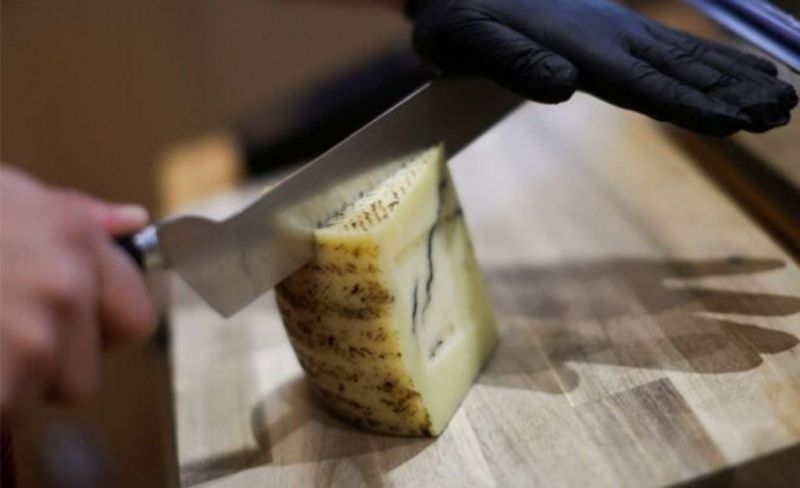
The argument over labels also reflects different production models. Antonio Martinez, a director of an organisation protecting the regional designation of manchego, said the United States was “always a high-volume consumption nation”, which he described as the opposite of what designations of origin represent. He said the smaller scale of Spanish producers formed part of the product’s “charm and unique identity”.
Georgina Yescas Trujano, co-founder of the Mexican company Lactography, said an agreement with the EU could raise the standard of cheese consumption in Mexico. “The US is flooding the Mexican market with its cheeses because it can sell them at a very low price,” she said, arguing that lower tariffs on European cheeses could teach Mexican consumers to “eat better-quality cheeses”.
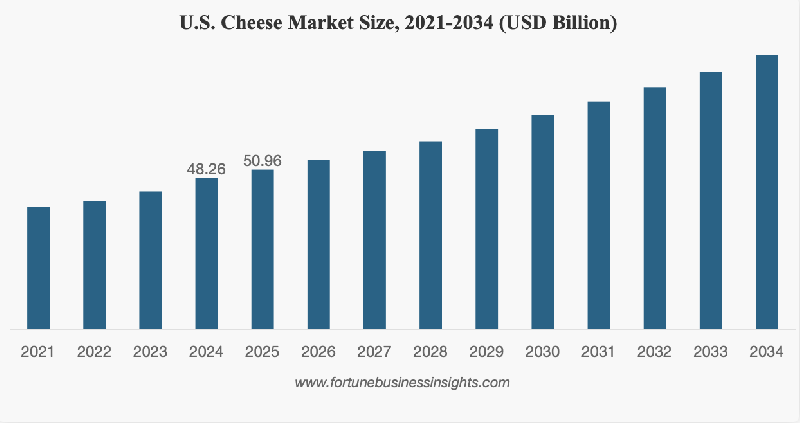
The dispute is taking place while Washington and Mexico negotiate a provisional trade agreement that they aim to conclude this year. Separate talks are addressing the renewal of the United States-Mexico-Canada Agreement, which is a mainstay of Mexico’s economy. The cheese market has become worth billions of dollars to American exporters.
Mexico’s agreement with the EU has not yet entered into force. Although it has been signed and ratified by the European Union, Mexico still has to complete its domestic legislative procedures, including parliamentary approval, according to the country’s Economy Ministry. The European Commission said it would not change the agreement’s terms and had “taken note” of US actions opposing protections for European cheeses.
Mexico remains a major cheese-consuming market with established local varieties. Oaxaca cheese, known for its fibrous texture and suitability for melting in quesadillas, and queso fresco, commonly used as a breakfast topping, remain part of domestic consumption. The article was produced by eDairyNews using information published by Forbes.