Technological Advancements in South Korea's Dairy Farming Sector
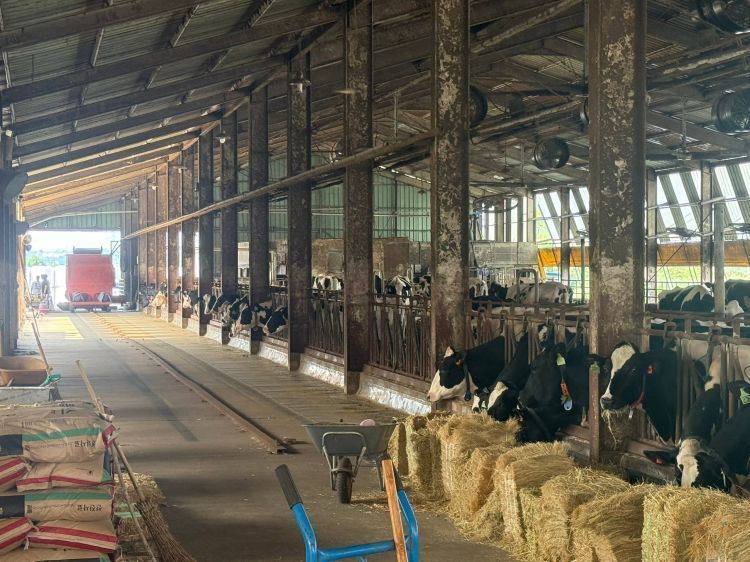
South Korea's dairy farming sector is embracing high-tech automation to navigate its unique geographical and economic challenges. A recent study by the Cross Paths Program, which included participants from Michigan State University and Oklahoma State University, provided insights into the country's dairy operations. The research focused on Youngmin Farm in Pyeongtaek-si, where a sophisticated robotic milking system is employed to manage a herd of 65 Holstein cows.
Each cow at Youngmin Farm is fitted with an electronic ID ear tag that communicates with the robotic system, enabling real-time tracking of milk production and cow performance. This technological integration ensures a high average milk yield of approximately 70 pounds (31.7 kilograms) per cow daily. The farm's operational efficiency is further enhanced by maintaining a low somatic cell count, well below the national threshold, which qualifies it for financial bonuses under South Korea's state-backed payment model.
The regulatory framework in South Korea emphasizes strict raw milk quality standards. Farmers are rewarded or penalized based on their herd's somatic cell counts, with Youngmin Farm consistently maintaining counts below 100,000 cells/ml. This is crucial for achieving profitability within the fixed pricing model set by the government to protect against global market fluctuations.
Due to South Korea's mountainous terrain, which covers 70 percent of the land, dairy farms rely heavily on imported feed, with 95 percent of their feed ingredients sourced internationally. Youngmin Farm's total mixed ration consists of imported cottonseed, soybeans, dried distillers grains, and premium hay, with oat straw serving as the primary dietary component for dry cows.
Efficiency in herd management is a priority, evidenced by the removal of cows producing less than 25 kilograms (55 pounds) of milk daily. Breeding practices involve certified technicians performing artificial insemination to ensure high conception rates, which range from 50 to 70 percent post an 80-day voluntary waiting period. Automated calf feeders are also utilized to support early growth, preserving future herd value.