Southland District Adopts Online Nitrate Monitoring Amid Dairy Runoff Concerns
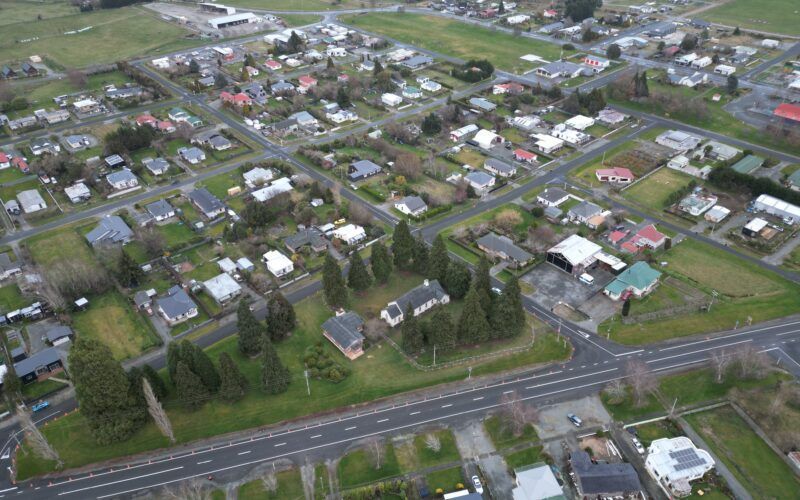
The Southland District Council in New Zealand has shifted to an open-access online platform to publish nitrate monitoring logs for regional drinking water. This decision follows heightened public scrutiny and political debate regarding agricultural environmental compliance within the region's prominent dairy sector.
The council has introduced scannable digital graphs and explicit Maximum Acceptable Value (MAV) numbers on a public web interface. This initiative aims to address rural concerns and stabilize confidence within the sector amid claims of a public health crisis due to nitrate levels in groundwater networks.
Environmental advocacy groups have asserted that a health crisis is developing, with independent tests showing nitrate levels of 6.14 mg/L in Lumsden. Although this is below the national limit of 11.3 mg/L, it surpasses the half-MAV threshold, requiring increased testing frequency in regional water supplies.
Initially, the Southland District Council defended its traditional communication methods, citing risks of misinterpretation from raw data. However, the new portal is designed to simplify complex data into accessible tracking charts, providing reassurance to the community.
Research by Environment Southland highlights long-term trends of deteriorating water quality and increased nitrogen levels in the region. These findings point to intensive dairy practices as significant contributors to nitrogen leaching, posing regulatory challenges for the sector.
For the international dairy industry, the Southland dashboard exemplifies a shift towards digital verification of environmental metrics at the farm level. This trend necessitates collaboration between processing entities and primary producers to implement solutions like managed on-farm wetlands and nutrient budgeting.
Maintaining verifiable water quality baselines is crucial for the district's dairy sector, influencing the value and export potential of its commodities.