Second Case of Screwworm in Texas Raises Livestock Concerns
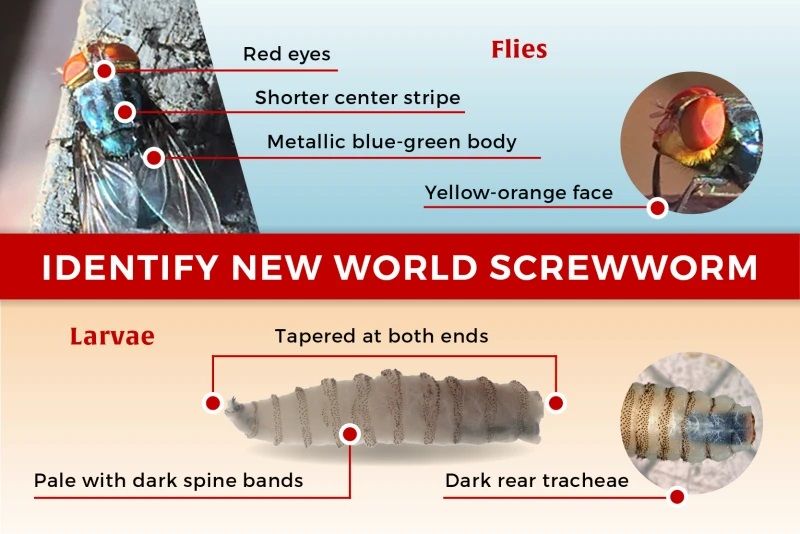
The Texas Animal Health Commission (TAHC) and the United States Department of Agriculture (USDA) have confirmed a second case of New World screwworm in Zavala County, Texas. This confirmation comes after an initial outbreak earlier in the season, marking a significant threat to North American livestock. The parasite feeds on the live tissue of warm-blooded animals, making it a severe threat to cattle populations.
In response to the outbreak, state and federal agencies have expanded quarantine zones and imposed strict animal movement restrictions. These measures aim to prevent the parasite from spreading beyond the affected areas. Veterinary teams have established advanced inspection checkpoints and are conducting intensive surveillance across Zavala County and its surroundings.
Livestock owners in the affected zones are required to perform twice-daily inspections of their cattle, focusing on any skin breaks or wounds where larvae could develop. Early detection and treatment are critical to preventing serious tissue damage and maintaining production volumes.
Furthermore, national veterinary networks have advised against elective surgical procedures, such as dehorning and castration, until the outbreak is under control. Livestock showing signs of infection must be isolated and tested to ensure they do not contribute to the spread of the parasite.
Transporting livestock out of Zavala County now requires official veterinary certification to ensure that animals are free of infestation. This certification process is crucial for maintaining the integrity of trade and preventing the parasite from reaching other regions.
The outbreak serves as a reminder of the vulnerability of dense livestock systems to pest incursions. Public agencies are coordinating efforts to release sterile male flies to reduce the parasite population, while the success of containment relies heavily on the biosecurity practices of individual farms.