Seasonal Production and Regional Identity of Cotija Cheese in Mexico
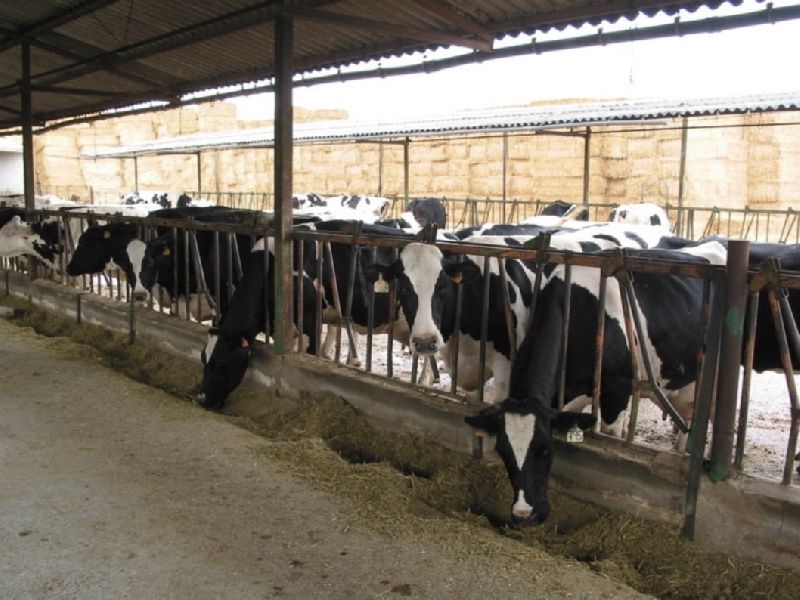
The authentic Cotija cheese is distinguished by its strictly seasonal production, confined to the months of July through October. This period aligns with the rainy season in Mexico, during which cattle graze freely on native pastures abundant in wild herbs. These conditions enhance the lipid and protein profile of the raw milk used in making Cotija cheese.
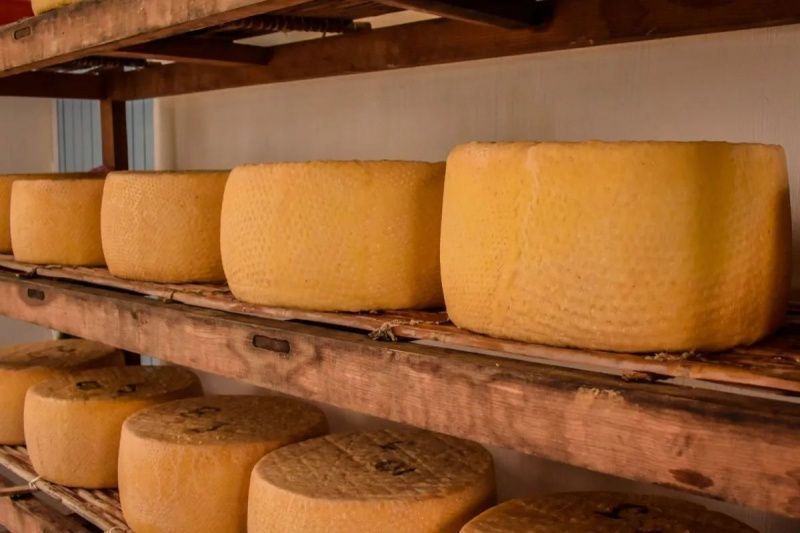
The cheese-making process remains unchanged since the colonial era, employing fresh milk coagulated with natural rennet. After the curd is cut and meticulously hand-pressed, a high concentration of salt is added. This salt serves as a natural microbial barrier and regulates water activity. The cheese is then matured in cellars for three months to a year, during which slow proteolysis of caseins develops its dry consistency and intense umami flavor.
In 2005, Cotija cheese received official recognition as a regional identity product from the Mexican Institute of Industrial Property (IMPI). This recognition has driven efforts to formally certify the cheese. In today's commercial environment, characterized by stringent protection of European geographical indications following the modernization of the Mexico-European Union Free Trade Agreement (TLCUEM), protecting Cotija's industrial property rights is crucial.
The regulatory differentiation aims to shield local producers from commercial imitations that inappropriately use vegetable fats. These protections are essential for preserving the traditional production methods and the economic sustainability of the families involved in Cotija cheese production.