Rod May Converts His Canterbury Cropping Farm to Dairy
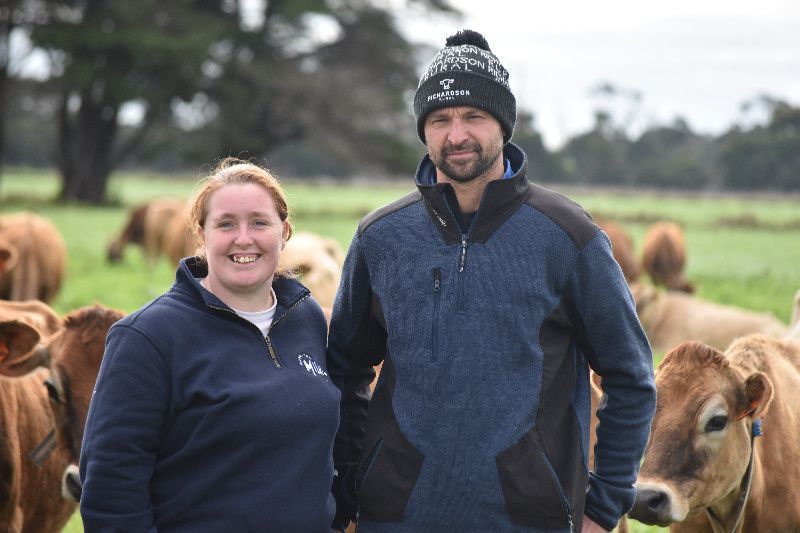
May farms at Greendale, near Darfield, on land his family has used for cropping for roughly 150 years. He said the conversion was needed for long-term succession, and that dairying offered a more suitable structure for the family business than cropping.
The farm was the second in what May described as a new series of dairy conversions along the area from Greendale through Darfield to the Waimakariri. He said land prices in the district had risen over the previous two to three years because of dairy farming rather than cropping.
Before the change, May grew clover and ryegrass as well as specialist seed crops including spinach, radish and Chinese kale. He managed as many as 12 crops at once, each with separate production schedules. Annual chemical spending reached about $100,000, while seed treatment, germination testing, transport and machinery added to the costs.
He also spent approximately $12,000 a year on leased bees. In his final cropping season, poor germination reduced yields. May said hail had also damaged crops on many Canterbury arable farms during the previous two years. Crop insurance became unaffordable after premiums increased by 30%, he said.
The farm’s main infrastructure project before the conversion was irrigation through the Central Plains Water scheme, installed about nine years ago. May built a central lane that divided the property into eight large paddocks. The lane remains the main route for the dairy unit, while internal fencing has been rearranged into several paddocks of about seven hectares each.
Planning for the conversion lasted more than a year, followed by 11 months of construction. During the final cropping season, May harvested the remaining crops while the dairy facilities were being built. The milking shed, yards and effluent ponds were placed in the centre of the farm beneath an existing centre-pivot irrigator, which was raised to provide clearance.
Water from Central Plains Water cannot be used for the milking shed or livestock, so the farm installed a separate well and supply line a year before the conversion. May described the irrigation scheme as among New Zealand’s best, while also calling it the country’s most expensive. Its operating requirements include accounting for each unit of water and using probes to monitor leaching and soil moisture.
May had no previous experience milking cows. Dairy Farm Management Services consultant John Donkers helped with the project, and Adrian Holden was hired as dairy manager. May’s wife, Adrienne, is responsible for the calves, while their son Locky is Holden’s second-in-command.
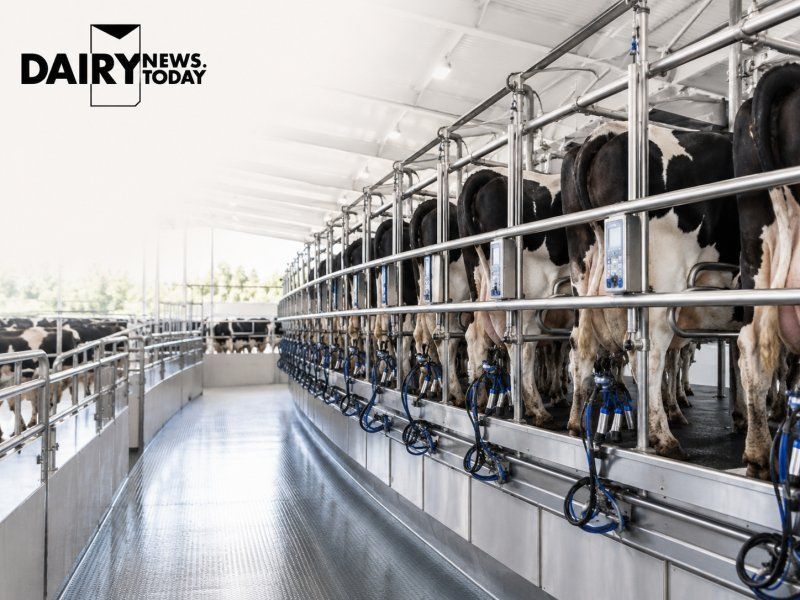
In its first season, the farm’s herd consisted of 650 cows owned by May. The KiwiCross cattle have Jersey genetics and were selected for their suitability to the property’s heavy soils. The operation uses AllFlex SenseHub collars, a 54-bale rotary shed, a ProTrack automatic drafting gate, automatic cup removers and feed-silo scales.
Although the conversion involved extensive fencing work, May decided against virtual-fencing collars because of their cost. He said the technology could be added later.