Rising Farmgate Milk Prices: A Solution for Dairy's Structural Issues?
The global dairy sector is currently under significant economic and social strain, with producers worldwide advocating for increased farmgate milk prices to offset rising operational costs. Ed Winters, a prominent vegan educator, delves into whether such financial adjustments can address the underlying structural crises within the industry. While many corporate agricultural boards and dairy cooperatives support higher retail margins to save family farms, Winters argues that injecting more capital into the existing model overlooks more profound systemic issues.
From an economic standpoint, the dairy market relies heavily on government interventions, including subsidies and bailouts, to maintain profitability. Despite these efforts, independent producers often operate at a loss due to fluctuating commodity prices and increasing input costs. Winters suggests that simply raising consumer prices for dairy products will not protect the industry from long-term vulnerabilities, such as competition from plant-based alternatives and compliance with climate regulations.
Environmental concerns also play a significant role in the debate. Intensive livestock farming has a large environmental footprint, consuming much more land and water than crops grown for direct human consumption. Critics note that even if milk processors and retailers agree to pay higher prices, this financial boost would not mitigate the high levels of methane emissions, soil degradation, and nutrient runoff that threaten the industry's sustainability.
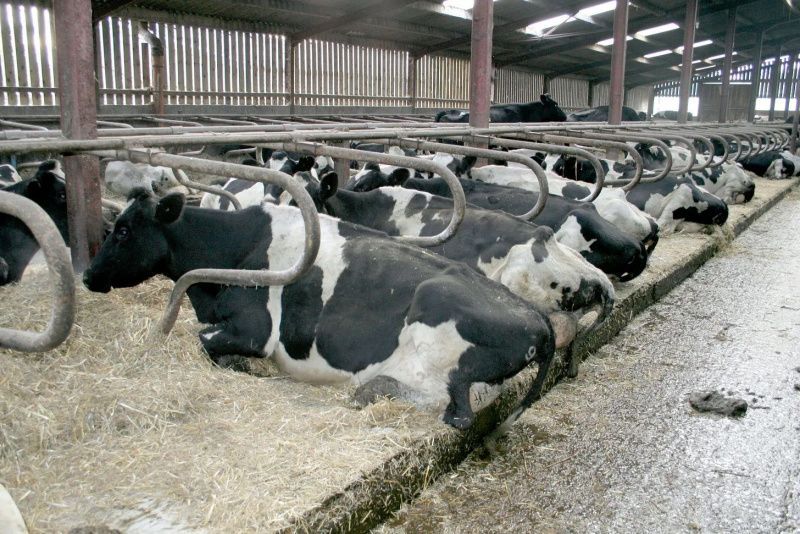
Animal welfare and industrial efficiency are additional factors in the discussion. Winters highlights that the dairy processing framework focuses on maximizing production, which commodifies the biological cycles of dairy herds. Practices such as artificial insemination, calf separation, and automated milking are standard but ethically controversial, driven by market demands rather than animal welfare considerations.
These issues underscore the pressure on traditional dairy supply chains to prove their long-term viability. As consumer preferences shift and regulatory bodies consider redirecting subsidies to more sustainable practices, the dairy industry faces existential challenges. Structural resilience may require a shift from defending current profit margins to embracing sustainable, diversified plant-based food systems.