
Rising Indian Milk Prices Shift Trade Dynamics in Favor of Nepal
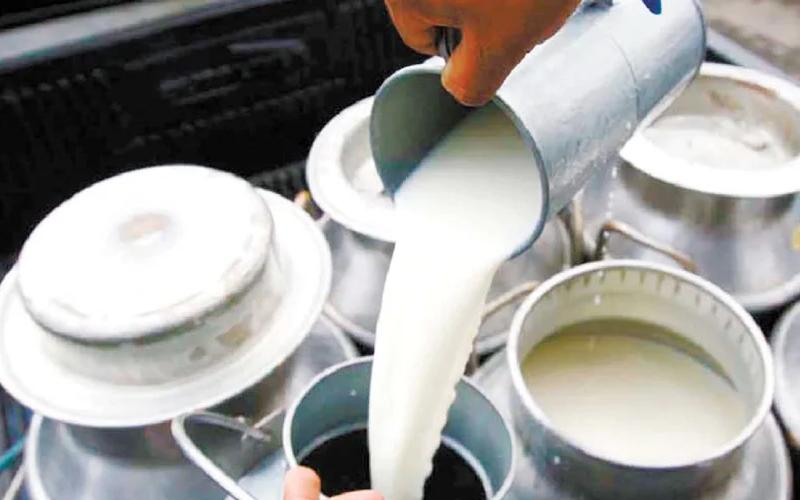
The recent increase in milk prices in India has led to a notable shift in the cross-border trade dynamics between India and Nepal. For years, Nepali dairy farmers faced competition fr om cheaper Indian milk that was often smuggled across the border, undercutting local prices and leading to an oversupply in Nepal's domestic market. However, with Indian milk now priced only marginally higher by about 46 paisa per litre, and additional transport and logistical costs, informal imports have become less viable.
This development has significantly benefited the Nepali dairy sector. In key dairy-producing regions like Chitwan, cooperatives report that nearly all locally produced milk is now being absorbed by the market, a stark contrast to previous years when surplus often led to 'milk holidays' wh ere milk collection was temporarily suspended. Milk processing units, which previously dealt with inventory backlogs, now experience more balanced operations.
For Nepali farmers, this change translates into more stable incomes and reduced wastage, as firmer prices and assured procurement provide relief from the challenges posed by limited cold-chain infrastructure and processing capacity. The overall improvement in market absorption helps stabilize the value chain, offering more predictability and security for rural livelihoods.
The situation highlights the sensitivity of Nepal's dairy economy to price shifts in the larger Indian market. Historically, lower Indian prices exerted import pressure on Nepal, but the current rise in Indian prices offers domestic producers a reprieve. While this trend is favorable, its sustainability depends on the duration of high Indian milk prices and Nepal's ability to enhance its dairy competitiveness through investments in processing and quality assurance.