Repurposed Deer Facility Boosts South Island Dairy Genetics
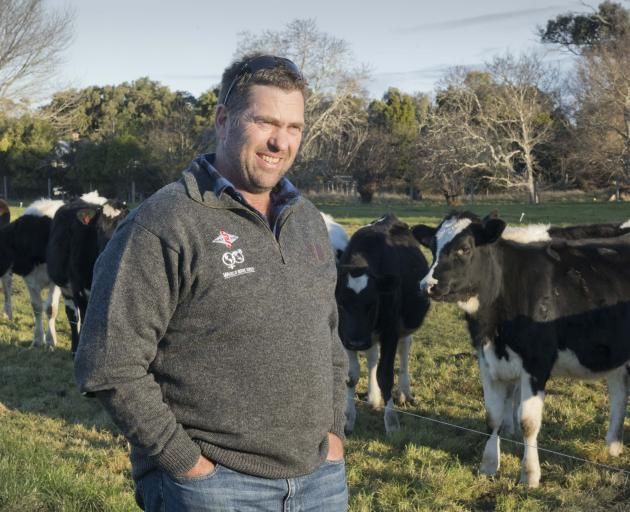
The South Island dairy industry in New Zealand has seen a significant development with the transformation of a former deer auction facility into a bovine embryo donor center. This initiative, led by Cameron and Anna Edgecombe along with Gerald and Karen Holmes, has repurposed the Black Forest Park in Woodside, creating a central hub for genetic advancements in dairy cattle.
This 105-hectare property, previously used for exhibiting and auctioning red deer, is now leased by the Reproduction Specialty Group New Zealand (RSG). The facility features over 20 indoor pens designed to house elite yearling heifers during embryo collection, significantly reducing costs for local farmers who previously faced expensive logistics associated with specialized breeding services.
The facility's strategic location near Dunedin Airport is crucial for maintaining the biological timelines required for embryo production. RSG’s technical team employs specialized ultrasound equipment to retrieve unfertilized oocytes from heifers, which are then flown to Hamilton for fertilization. The fertilized embryos are either kept fresh or cryopreserved before being returned to the South Island for implantation into recipient cows.
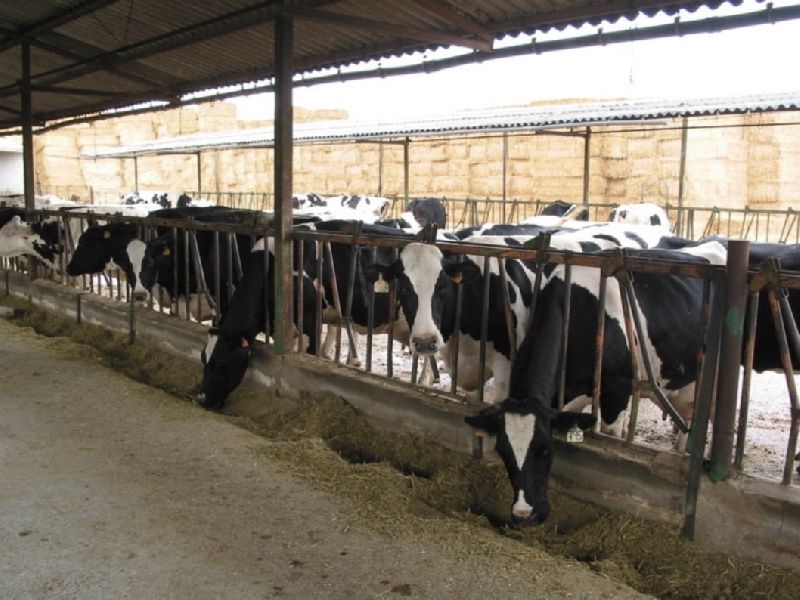
During their six-week stay at the facility, the heifers receive comprehensive care, including daily checks and a diet of fresh grass and premium baleage to ensure optimal health. The Edgecombes manage these operations, focusing on yearling heifers as opposed to lactating cows, due to the facility's specialization in embryo donation rather than milk production.
This development is part of a broader effort to enhance the genetic quality of dairy herds in the region, with the Edgecombes planning to use the facility for their own high-performing heifers. Last season, their herd produced a record 399,600 kilograms of milksolids, and they aim to surpass 400,000 kilograms this season.
According to Julie Premo, interim general manager of RSG, this centralized approach will enable more southern dairy cattle to benefit from advanced reproductive technology, thereby securing the future performance of the herds in the region.