Rainy Season Impacts Dairy Production in Aguascalientes
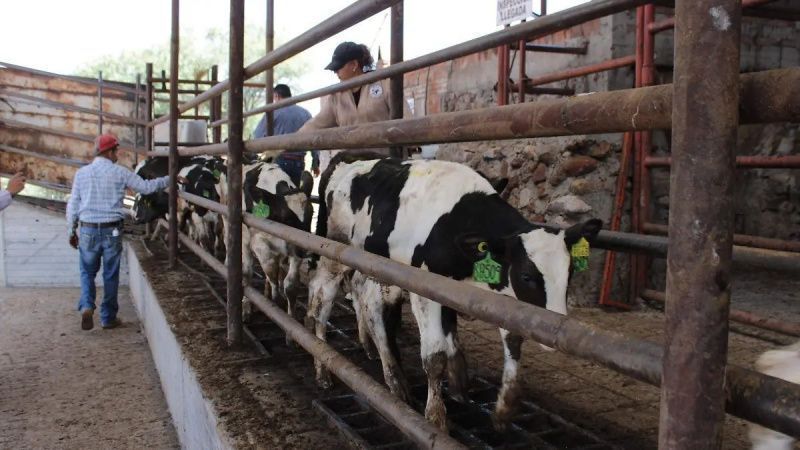
The rainy season in Aguascalientes, a state in the Bajío region of Mexico, has resulted in a decrease in dairy production. According to José Luis González Enríquez, president of the local Milk Producers Association, the daily yield from milking has fallen by 5-10% due to the current climatic conditions. This reduction affects the financial planning of livestock enterprises during a period of high operational demand.
Technical advisors and veterinary specialists have identified mud and air currents as major stressors for cattle during the rainy season. The lack of dry and comfortable surfaces for resting forces animals to lie on wet manure in the corral. This direct contact exerts mechanical pressure on the udder, leading to sphincter openings in the teats, which facilitate the entry of environmental pathogens and significantly increase the rate of mastitis, thus degrading the hygienic quality of the milk.
Despite the climatic contingency, González Enríquez noted that the decline in cooling tanks is no longer as catastrophic as in previous cycles, where losses ranged from 40% to 70%. This improvement is attributed to significant investments by local farmers in enhancing production unit infrastructure. The widespread adoption of freestall systems, well-ventilated covered barns, and dry bedding with constant removal has safeguarded animal welfare against climatic shocks.
However, the technical resilience of dairy producers conflicts with a severe economic crisis driven by the performance of the commercial boards of the processing industry. The persistent exchange rate and the low cost of the dollar have negatively impacted the national agricultural sector by cheapening previous imports of inputs. Although the price of powdered milk has already increased in the United States market, major dairy corporations in Mexico have delayed purchasing local quotas due to high inventory levels in their warehouses.
Finally, livestock organizations in Aguascalientes consider it essential to develop private association schemes to break the stranglehold on profit margins. In response to the adverse conditions imposed by climate and intermediation, the local association is actively working on designing alternative distribution channels to sell excess milk at competitive prices. Maintaining viability in modern stables will require strict biosecurity protocols in the corral and ensuring that the national industry revalues the quality of Mexican production in the interest of food sovereignty.