RAE's Definition of Quesadilla Influences Mexican Culinary Traditions
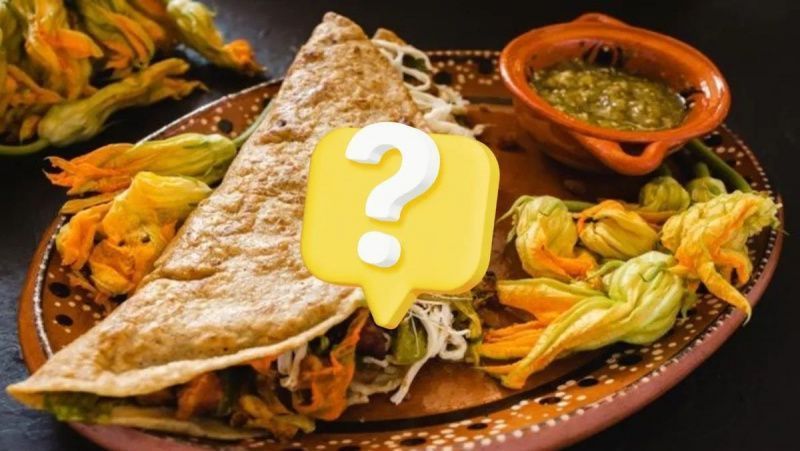
The Real Academia Española (RAE) has issued a definitive clarification regarding the definition of a quesadilla, a staple in Mexican cuisine. According to the RAE, a quesadilla is technically a folded maize or wheat tortilla that can be filled with cheese or other ingredients. This formal definition supports the widely practiced culinary traditions in central Mexico, where quesadillas are often prepared with various fillings excluding dairy products.
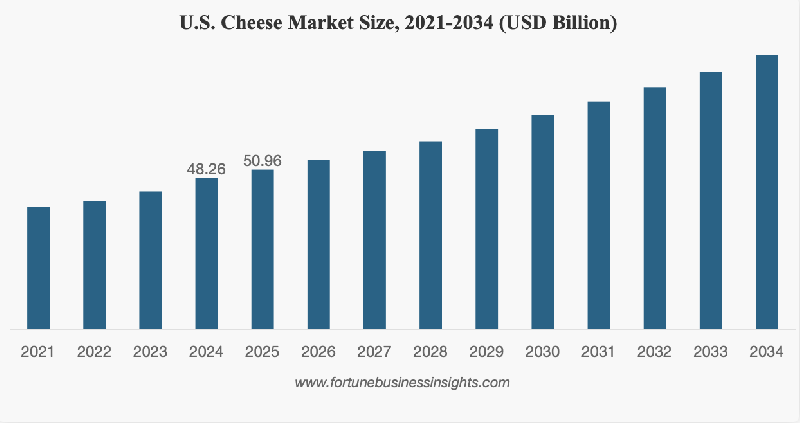
The RAE's resolution not only settles a cultural debate but also has implications for the dairy industry and consumer markets. The term 'quesadilla' has its etymological roots in the Spanish word 'queso', meaning cheese, contradicted the popular belief that it originated from the Nahuatl language.
Linguists have discounted the notion of a pre-Hispanic origin for the term, emphasizing that classical Nahuatl lacks the 'd' sound, making it impossible for the word to have existed in pre-Columbian times. This linguistic analysis reinforces the Spanish origin, where the diminutive suffix '-illa' was added to 'queso', originally referring to a small cheese-based preparation.
Over time, as consumption patterns evolved in post-colonial Mexican society, the meaning of 'quesadilla' expanded to include a variety of vegetable and meat fillings. This evolution reflects the diversity and adaptability of Mexican cuisine.
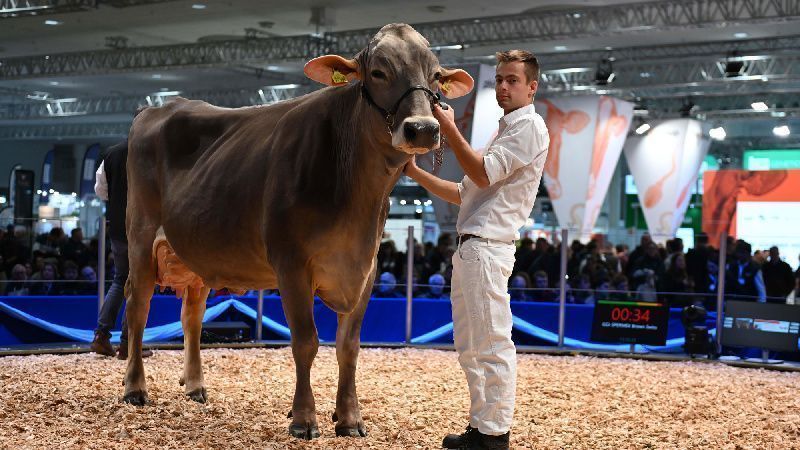
Analysts in the agro-industrial sector see the RAE's decision as a reflection of the cultural richness of the Mexican market. The flexibility in quesadilla preparation is viewed not as a threat but as an opportunity for innovation in food product development. Ensuring competitiveness and efficiency in dairy farming remains crucial for providing high-quality raw materials to cheese factories, thereby maintaining the prominence of genuine dairy products in Mexican culinary traditions.
Ultimately, the RAE's decision underscores the importance of understanding cultural shifts in consumption, which are vital for mapping the real demand for pure cheeses against the backdrop of substitution trends in households.