Processors end milk contracts as dairy farms face exits
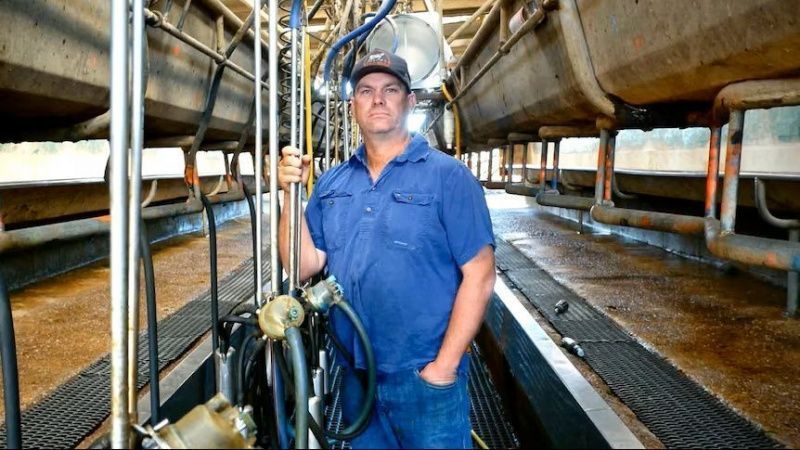
Contract terminations are part of a restructuring of supply arrangements among dairy processors. Companies are reviewing the boundaries of their collection areas while dealing with changing liquid-milk volumes, shifting global commodity prices and strong competition in the domestic retail market.
The changes favour collection systems with concentrated farm networks. Producers located outside those routes, or in geographically isolated areas, may lose access to established buyers when processors reduce the number of active collection routes. Farms that remain without a renewed agreement can then face lower payments on the spot market or transport charges that make distant deliveries financially unsustainable.
The non-renewals have highlighted tensions in Australia’s dairy supply chain despite the mandatory Dairy Code of Conduct. The code includes notice requirements and fair-dealing provisions for purchasing agreements. It does not prevent processors from ending contracts when their terms expire, leaving companies with commercial discretion to reduce raw-milk intake or reorganise regional supply networks.
Farming organisations have said that individual producers have limited options when those decisions are made. Securing another buyer can be difficult for farms that are operating close to capacity limits or are located away from the main processing corridors. Other dairy companies may impose intake ceilings, while some decline new farmgate connections when their plants are already committed to existing volumes.
For affected farm families, the absence of a dependable buyer interrupts regular milk income and can create cash-flow shortfalls. The source says that some operations may respond by selling cattle earlier than planned or leaving dairy farming sooner. The contract decisions therefore affect both the commercial relationship between processors and suppliers and the practical ability of farms to maintain production without an alternative supply agreement.