Nutritional Potential of Whey Protein Phospholipid Concentrate Explored

Researchers at the University of Wisconsin Dairy Innovation Hub are investigating the nutritional benefits of whey protein phospholipid concentrate, a byproduct generated during the production of whey protein isolate. This substance, previously considered to have limited use and primarily employed in low-value animal feed, is now being recognized for its potential as a valuable ingredient in human food products.
According to Gulustan Ozturk, a researcher at the University of Wisconsin, the dairy industry generates approximately 100 million pounds of whey protein phospholipid concentrate annually. This co-product contains glycoproteins, which may act as prebiotics, and phospholipids, which are beneficial for cognitive health. Additionally, it retains the familiar whey proteins.
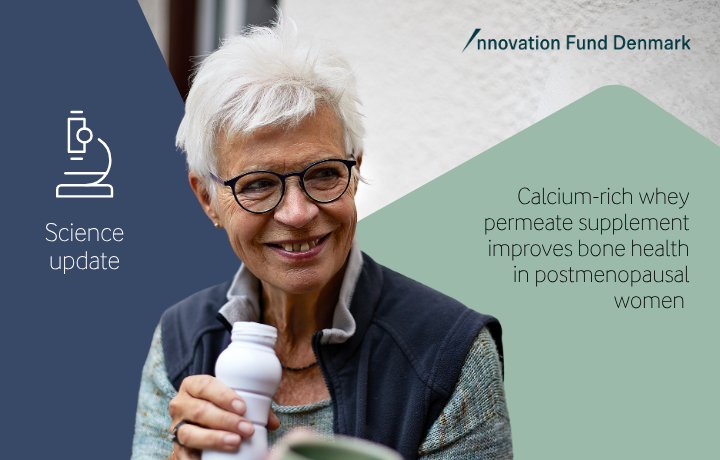
Researchers from the University of Wisconsin, along with the University of California-Davis and other institutions, are actively exploring various applications for this co-product. Potential uses include incorporation into infant formula and nutrition products aimed at cognitive health and elderly nutrition. Ozturk's research specifically targets improving nutritional outcomes for post-menopausal women.
The exploration of these applications marks a shift in how the dairy industry views and utilizes this byproduct, potentially opening new markets and adding value to what was once considered waste.