Nigeria Launches Initiative to Strengthen Dairy Production and Food Security
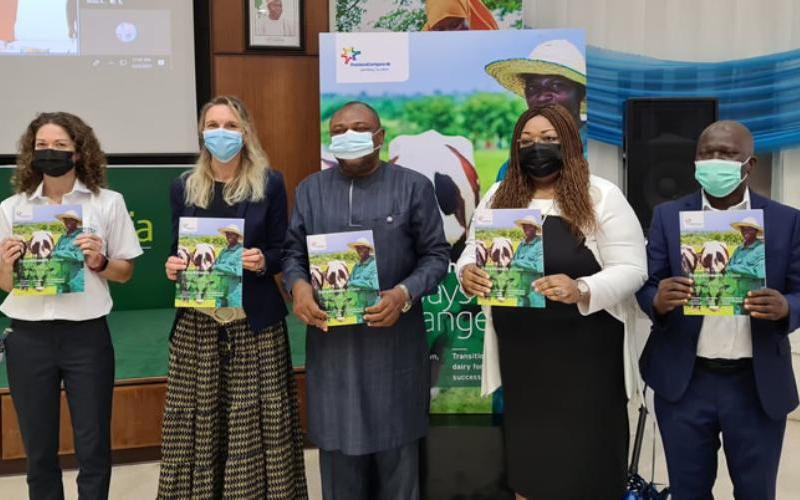
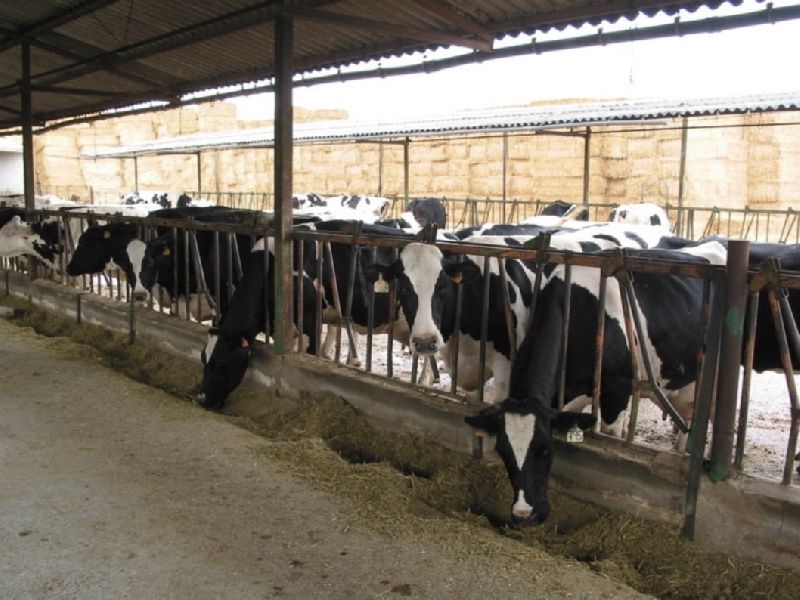
The Federal Government of Nigeria, represented by the Ministry of Livestock Development, has embarked on a comprehensive plan to fortify the nation's livestock sector. This plan includes a nationwide baseline study alongside training for 100 small-scale dairy farmers in Oyo State. The ministry's efforts are primarily directed at enhancing Nigeria's food security and increasing local dairy production.
The baseline study, as disclosed by Deputy Director of Information and Public Relations Henrietta Okokon, is intended to create a solid, evidence-based framework for monitoring and evaluating the livestock sector's performance. The study covers 67 result indicators to assess the current status and track progress over time, supporting policy formulation and investment decision-making. Field activities were carried out across six states between April 20 and 24, 2026, involving a mixed-methods approach of data reviews, focus group discussions, and key informant interviews.
The training program for dairy farmers focused on imparting practical knowledge of best practices in dairy farming, including improved husbandry techniques and sustainable milk production. Participants were also equipped with essential inputs like heifers, feed, and salt licks to enhance their dairy operations. This initiative aligns with the National Livestock Growth Acceleration Strategy, aiming to boost productivity and reduce import dependence.
Senior Special Assistant to the President on Livestock Development, Idris Ajimobi, highlighted the significance of empowering farmers at the grassroots level for transforming the livestock sector. Oyo State Coordinator Florence Kalulu emphasized the critical role of smallholder dairy farmers in sustaining local milk production and identified key challenges such as low productivity and inadequate hygiene practices.
The ministry plans to release the outcomes of the baseline study in the coming weeks, providing benchmarks for progress and informing targeted interventions. This effort is expected to contribute to advancing food security and sustainable livelihoods in Nigeria.