Austria’s milk and creamers market is set to grow steadily through 2035
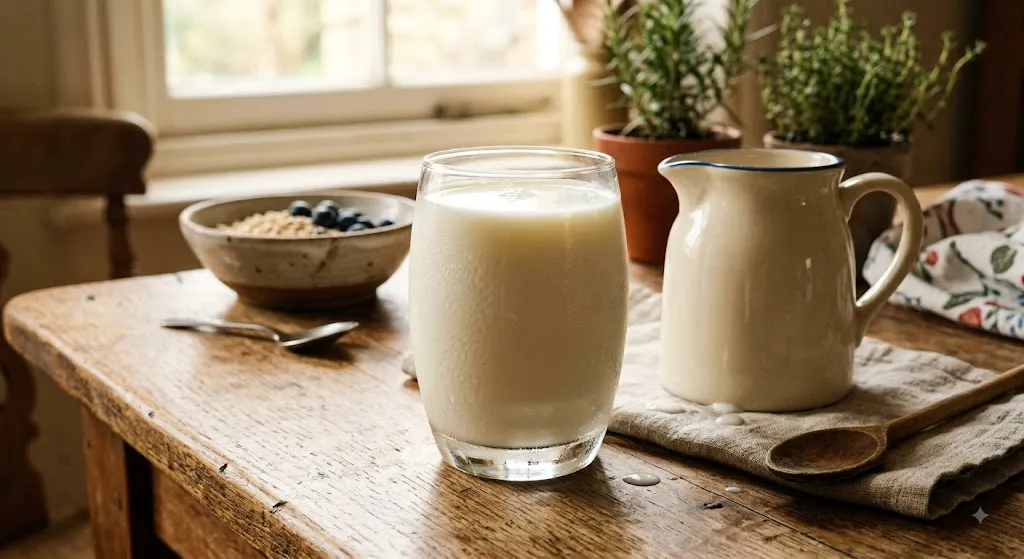
Austria’s dairy market is entering the next decade with an established processing base, persistent domestic demand and milk production above domestic fluid-milk needs. The supplied analysis describes the market as mature but resilient. It expects value growth to come mainly from premium products, organic lines, new formats and plant-based alternatives rather than from a substantial increase in consumption volumes.
Fresh milk remains the largest category, representing an estimated 45–55% of total milk volume. Its expansion is constrained by changing beverage preferences and the wider availability of plant-based products. UHT and extended-shelf-life milk are gaining share because they require less refrigeration and offer longer storage, making them relevant to convenience retailers, foodservice operators and export markets.
Organic dairy is a significant feature of Austria’s retail market. Organic milk is estimated to account for 15–25% of retail milk sales. Demand for regional goods, sustainability-related attributes and particular farming practices supports this segment. Plant-based creamers, although starting from a smaller base, include oat, soy, almond and coconut products. Oat-based offerings are described as especially well positioned, while products with added protein or vitamins, or with lower sugar content, provide potential premium formats.
Austria’s coffeehouse tradition supports demand for milk and creamer products used outside the home. Specialty cafés, workplace coffee services and household espresso machines are contributing to interest in barista-style milk, portion-sized creamers and products that can be stored without refrigeration. Restaurants, hotels, bakeries and food manufacturers form a relatively steady customer base, with purchasing criteria that include uniformity, storage life, bulk packaging and dependable supply.
Retail concentration keeps competition intense. Private-label goods are estimated to represent 50–65% of retail milk and creamer volumes, strengthening retailers’ negotiating position and placing pressure on branded suppliers. Berglandmilch, SalzburgMilch and NÖM are among the main domestic processors, alongside smaller regional dairies and international companies. Cooperative regional brands retain customer loyalty, particularly in western Austria and organic sales channels. Higher costs for feed, energy, packaging and transport are adding pressure to processors’ margins, while retailer negotiations and price competition limit the scope for passing those increases on to consumers.
Austria produces an estimated 3.5–3.8m tonnes of raw milk each year, more than is required for domestic fluid-milk consumption. The surplus supports exports of cheese, milk powder, UHT milk, cream and specialised dairy products. Germany and Italy are important destinations, while German suppliers compete in Austria, particularly in price-sensitive UHT and other shelf-stable segments. The country’s dairy structure supports premium and organic exports, although suppliers from other European countries with milk surpluses also compete in those markets.
Several structural issues could affect production and supply. Environmental rules, animal-welfare requirements, methane-reduction measures and difficulties in transferring farms to new owners may raise costs or limit growth in raw-milk output. Plant-based producers face separate supply concerns because almonds, coconut and other inputs depend more heavily on external sourcing. The analysis identifies organic, lactose-free and plant-based products, barista formats, functional lines, foodservice and premium exports as areas of opportunity. It also points to flexible processing capacity as relevant to changing demand for dairy and plant-based products.