New Zealand’s Feeder Calf Market Remains Firm
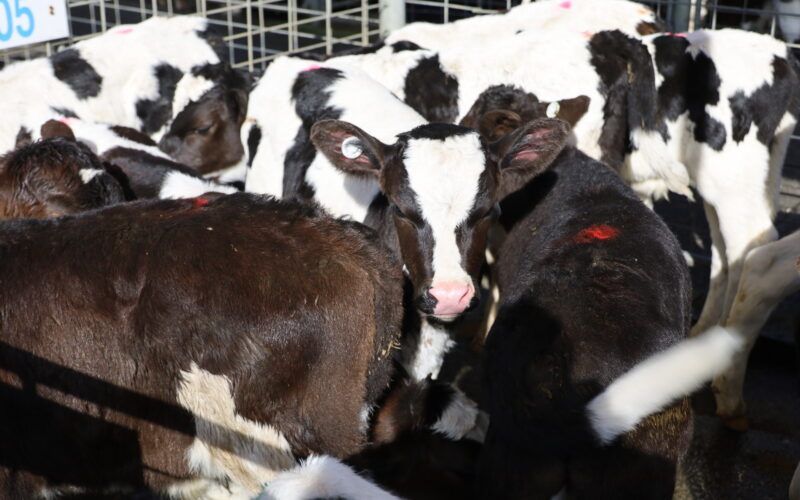
Sales at the start of the season showed strong competition. The best calves changed hands for between $370 and $400 in July. Prices eased as August progressed, with good-quality Friesian bull calves generally selling for about $80-$100 and the highest-grade lots reaching as much as $180.
Stock agents said commercial rearers operating at scale were helping to keep prices from falling sharply. Many of these businesses have fixed supply agreements with finishing operations, giving them an established outlet for calves and supporting a minimum level of demand in the spot market.
The composition of supply is also changing. Calving patterns are moving away from an early-season concentration of Friesian dairy bulls towards a greater share of dairy-beef crossbreds. Dairy farmers are using more beef genetics in their herds, producing calves with values and specifications that are more closely matched to the requirements of finishers and red-meat processors.
Demand is extending beyond the immediate region. Operators from Manawatū have been buying stock at the Frankton saleyards, including calves suitable for rearing to a target weight of 100kg. The activity reflects demand for calves that meet the requirements of rearing and finishing businesses outside the local market.
Risks are concentrated among smaller rearers that rely on spot purchases and operators without supply contracts. Feed and supplementary feed costs are estimated at $450-$500 per calf by the time an animal reaches 100kg. Those costs could reduce margins if dry El Niño conditions occur later in the season.
Commercial operators are keeping their usual rearing volumes while preparing for the possibility of feed shortages in autumn. The approach follows the 2023-2024 season, when expected dry weather did not occur and some businesses had to reduce livestock numbers quickly. The current season’s market activity remains supported by contracted buyers, regional demand and the growing use of dairy-beef genetics.