New Zealand Dairy Industry Adopts Targeted Approach Against Mastitis
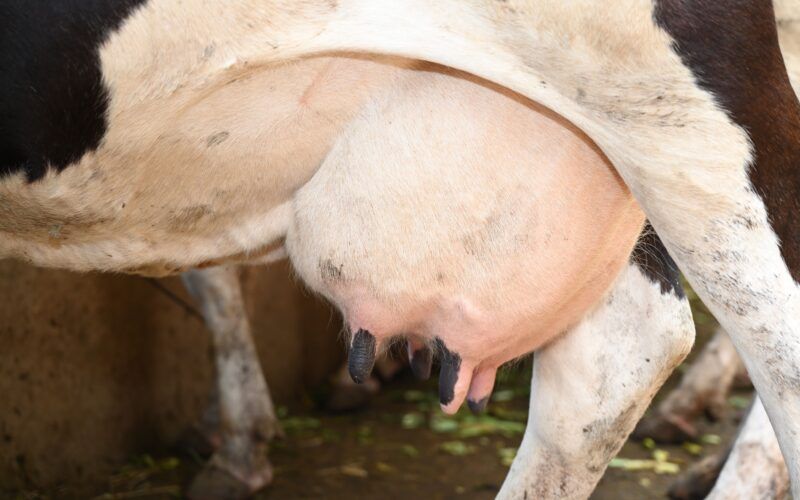
The DairyAntiBiogram service in New Zealand is revolutionizing the treatment of bovine mastitis by utilizing data-driven diagnostics to tackle the growing issue of antimicrobial resistance (AMR). This approach marks a significant departure from traditional empirical treatment methods that have dominated the dairy industry.
Antimicrobial resistance has become a pressing concern globally, prompting the dairy industry to seek more effective solutions. In New Zealand, the majority of antibiotics used on farms are for managing bovine mastitis, a prevalent and financially burdensome animal health problem. The DairyAntiBiogram service aims to reduce this reliance by providing precise, evidence-based diagnostics based on a decade of bulk tank milk analysis.
The service, led by technical veterinarian Ray Castle, utilizes data from thousands of herds to create a comprehensive resistance profile of pathogens found in milk. This includes the two most common mastitis-causing bacteria: Staphylococcus aureus and Streptococcus uberis. These insights allow veterinarians to tailor treatment strategies to the specific resistance patterns identified in their region, moving away from broad-spectrum antibiotic use.
The data collected reveals significant regional variations in resistance patterns, highlighting the need for customized treatment plans. For instance, certain areas exhibit higher levels of resistance to specific antibiotics, making localized management protocols vital for effective dairy herd healthcare.
Seasonal trends have also been identified, with resistance peaking during autumn. This information helps in refining treatment strategies throughout the year, ensuring that the most effective narrow-spectrum antibiotics are used, preserving the efficacy of available medications.
The ultimate goal for DairyAntiBiogram is to integrate these diagnostics into routine herd management across New Zealand, similar to standard testing procedures. This proactive approach is seen as essential in maintaining dairy production capacities amid tightening global regulatory frameworks and limited new antibiotic developments.
Internationally, the success of this data-centric model offers a blueprint for other countries facing similar challenges in animal healthcare and antibiotic resistance management, ensuring both animal welfare and sustainable dairy production.