Ukraine's Dairy Industry Faces Sharp Drop in Purchase Prices and Risk of Farm Closures
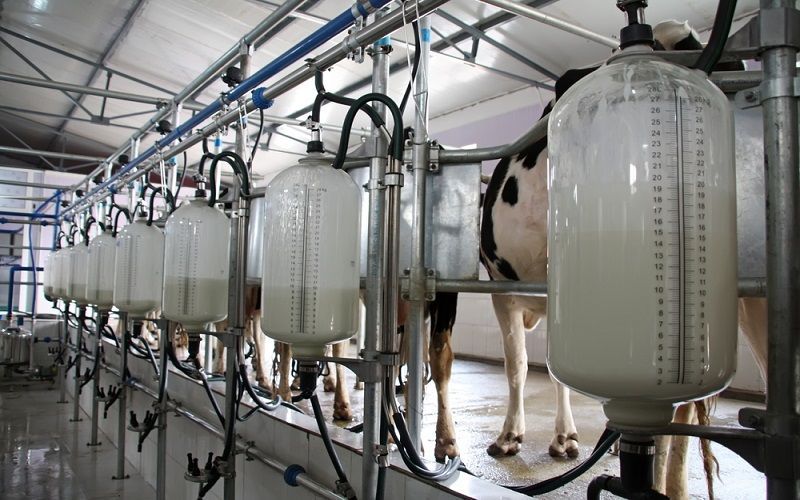
Since the beginning of February, the purchase price of raw milk for agricultural producers has decreased by 0.5–1 hryvnia per kilogram. As a result, the price of extra-grade milk has dropped to 13.5–14.0 UAH/kg excluding VAT. At the same time, some dairy processing plants have started to limit the purchase volumes of raw materials.
As of January 20, the average weighted purchase price of three grades of milk was 14.35 UAH/kg excluding VAT, which is 85 kopecks lower than the previous month's level. On an annual basis, the average price decreased by about 20%, which does not compensate for the increase in production costs.
Causes of the Crisis: Internal and Global Factors
The price decline is due to a combination of internal problems and global market trends. Key factors identified by market participants include:
-
interruptions in energy supply and increased production costs;
-
difficulties in selling finished dairy products;
-
pressure from imported dairy products in retail chains;
-
a general decline in global prices for milk and milk proteins.
According to Anna Lavreniuk, the global dairy market is experiencing the deepest crisis in the last 30 years. It has affected key production regions — Europe, the USA, and New Zealand, which intensifies the pressure on Ukrainian producers.
Milk Production is Decreasing
Against the backdrop of worsening price conditions, milk production in Ukraine in 2025 decreased both annually and monthly. According to the Association of Milk Producers:
-
in December 2025, farms of all categories produced 478 thousand tons of raw milk — 14% less than a year earlier;
-
in household farms, milk yield decreased by 24%, to 206 thousand tons;
-
by the end of 2025, milk production in the country amounted to 6.86 million tons, which is 374 thousand tons (–5%) less than the level of 2024.
However, in 14 regions of Ukraine, agricultural enterprises managed to increase raw milk production, and the growth rates of productivity remained among the highest in Europe, despite risks and energy constraints.
Risks of Farm Closures
According to industry experts, in the absence of positive market signals, some farms may decide to stop planting corn for silage, switch to using leftover feed, and decide to cease dairy farm operations as early as March.
Recovery in demand for dairy and animal proteins is expected no earlier than September–October 2026. Not all producers are prepared to endure such a long period of low margins, which creates risks of accelerated herd reduction and further industry degradation.