Labor Shortages and Economic Challenges Impact U.S. Dairy Industry
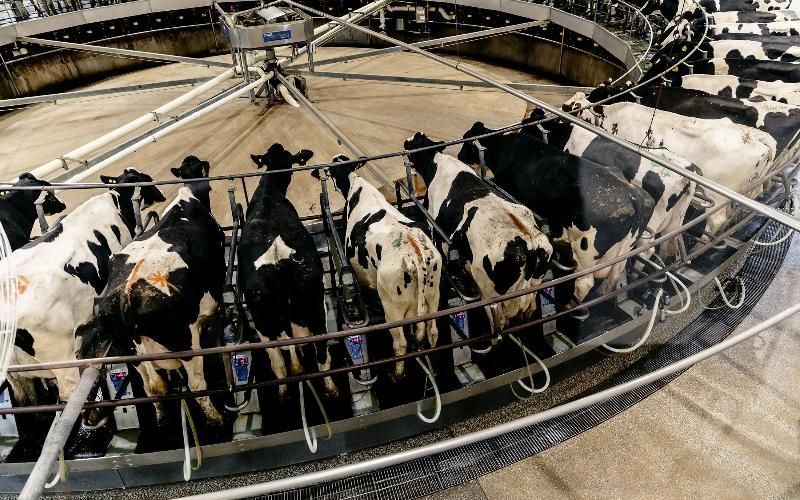
The U.S. dairy industry is grappling with severe labor shortages, which are exacerbating economic challenges for dairy farms. Large dairy operations are finding it increasingly difficult to hire enough workers, a situation that is contributing to a broader labor crisis within the sector.
One of the key issues facing the industry is the ongoing consolidation of dairy farms. As smaller farms struggle to compete, they are often absorbed by larger operations or forced to shut down. This trend is partly driven by persistently low milk prices, which have made it difficult for many farms to remain profitable.
According to industry reports, the shortage of labor is not only a result of demographic changes but also linked to the demanding nature of dairy work, which requires long hours and physical exertion. Many potential workers are opting for jobs in other sectors that offer better pay and working conditions.
The implications of these challenges extend beyond the dairy farms themselves. Rural communities that rely on dairy farming for economic stability are facing uncertainties. As farms consolidate or close, local economies can suffer from reduced employment opportunities and decreased economic activity.
Efforts to address these issues have included calls for policy changes, such as improving labor mobility and offering incentives to attract workers to the dairy industry. However, these solutions face hurdles, including political and economic constraints.
Future Outlook
While the industry seeks ways to mitigate these challenges, the combination of labor shortages, economic pressures, and consolidation is likely to continue shaping the future of U.S. dairy production. Stakeholders are closely monitoring the situation, hoping for measures that will provide relief and ensure the sustainability of dairy farming in the United States.