Ireland confirms Shamonda virus will not restrict trade
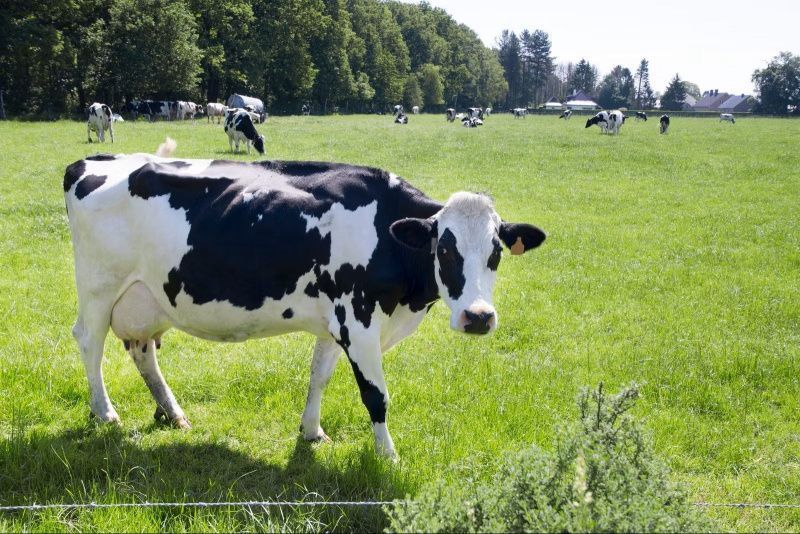
Ireland’s Department of Agriculture, Food and the Marine said the detection does not activate restrictions on animal transport or commercial trade. Shamonda virus is notifiable neither under Irish animal-health legislation nor as a listed disease within European Union rules. Farms with confirmed infections therefore will not face mandatory quarantine, transport prohibitions or export suspensions.
The diagnosis was made after polymerase chain reaction testing of blood samples from three cattle in two commercial dairy herds in County Cork. Herd managers had reported a rapid fall in milk yields: affected cows declined from about 25–30 litres a day at peak production to roughly 5 litres within two days.
Clinical signs included temperatures above 39.6–40.0°C, watery diarrhoea, marked lethargy and temporary interruption of rumen activity. The acute illness generally lasts about a week before individual animals recover, but the reduction in bulk-tank volumes creates an immediate loss of farm income. There is no authorised commercial vaccine or specific antiviral treatment; supportive care can include anti-inflammatory drugs, oral rehydration and measures against secondary infections.
Shamonda is transmitted mainly by biting Culicoides midges and belongs to the Simbu group, which also includes Schmallenberg virus. Cases had previously been confirmed in Switzerland, France, Germany, Belgium, the Netherlands and Spain after a wider European spread began in late July. The report links prolonged midge activity to mild autumn conditions and humid local environments.
The virus is not zoonotic and has not been identified as a threat to human health, food safety or the quality of commercial milk. Veterinary specialists have nevertheless identified reproductive risks when infection occurs during early or middle pregnancy, including late abortions, stillbirths and skeletal abnormalities in fetuses. Such outcomes can reduce replacement-heifer numbers and interfere with planned calving periods.
Irish government veterinarians are working with diagnostic laboratories on follow-up investigations to track the virus in grazing areas. Dairy businesses have been advised to continue clinical monitoring and use topical insecticides to reduce midge bites. Milk processors and private veterinarians are coordinating testing to distinguish Shamonda from gastrointestinal and respiratory diseases. With trade channels remaining open, farms can continue selling cull cows, store cattle and surplus calves without restrictions linked to the detection.