Ireland's Nitrates Derogation Amidst EU Dairy Sector Challenges
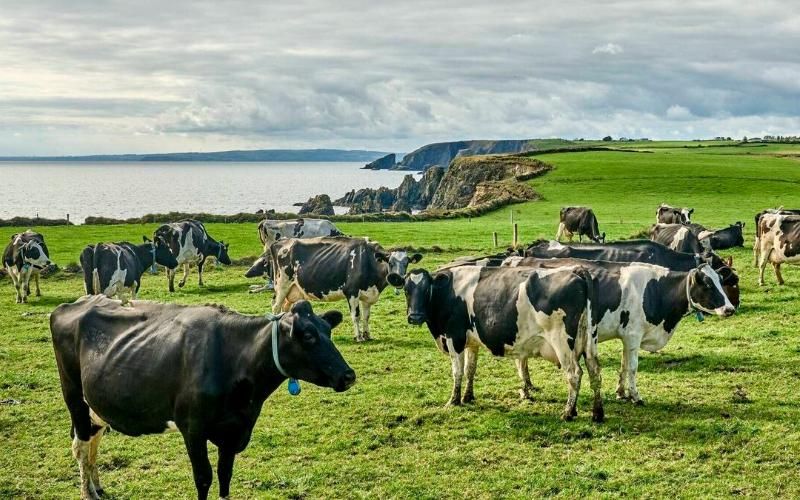
The European Commission has extended Ireland's nitrates derogation for another three years, highlighting Ireland's position in the EU dairy sector amidst broader challenges. The derogation allows Irish farmers to exceed standard nitrate limits, aiding their capacity to maintain higher production levels.
Across the EU, milk production is forecasted to decline by 2026 due to reduced cow numbers, stringent environmental regulations, and disease outbreaks. This continued decline, despite lower feed costs, has pressured smaller dairy farms, leading to closures and consolidation within the industry.
Furthermore, the EU anticipates a 1% drop in cow numbers and a 0.5% decrease in milk deliveries by 2026. Although Poland and Ireland have recorded recent increases in milk production, these gains have been insufficient to counterbalance declines in other major producer states.
Environmental challenges, such as the emergence of diseases like Bluetongue virus, epizootic hemorrhagic disease, and lumpy skin disease, have exacerbated the situation, resulting in temporary reductions in milk yields and increased mortality rates.
In response to market pressures, major dairy players like Denmark's Arla Foods and Germany's DMK have announced merger plans, as have Dutch and Belgian processors FrieslandCampina and Milcobel. Meanwhile, Croatia has initiated a significant investment plan to increase milk production by 2030.
Ireland's derogation highlights EU's recognition of the need to balance environmental goals with agricultural productivity, offering some relief to Irish dairy farmers who have maintained relatively high water quality standards compared to other EU states.