Indian Artisanal Cheesemakers Win Global Awards
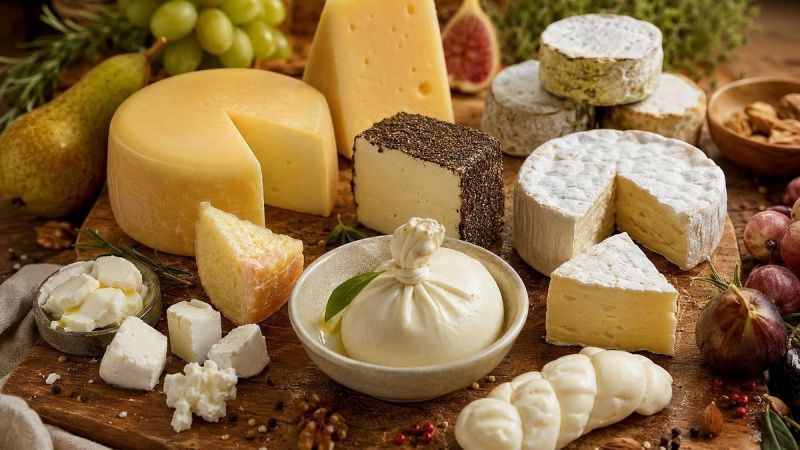
India’s small-scale cheese producers are receiving international recognition as the country’s dairy industry develops products positioned at the premium end of the market. At the 2026 Mundial do Queijo do Brasil, Indian creameries won one Super Gold, two Gold medals and one Silver. Prime Minister Narendra Modi also formally recognised the achievement.
The awards included work by Eleftheria Cheese of Mumbai and Nordic Farm of Ladakh. Their results placed Indian producers alongside established European cheesemaking traditions. The sector is moving beyond largely commoditised dairy production towards smaller batches and higher-value products.
Producers are combining Indian milk and regional ingredients with established European formats. Their range includes Bengal’s smoked Bandel, Himalayan Yak Chhurpi and Kashmiri Kalari, as well as Brie, Camembert, Stracciatella, Belper Knolle and Alpine Gruyère. Some creameries use local botanicals and pepper coatings, while others work with goat and sheep milk bought directly from pastoralist communities including the Maldhari and Rabari.
India’s warmer and more humid conditions require different production arrangements from those used in Europe’s cooler ageing regions. Kodai Dairy Products and Käse have installed local cold-chain systems, including rapid milk-chilling equipment within 25km of participating farms. They also monitor veterinary antibiotic use and adjust ageing conditions as the seasons change. Variations in the fat and protein content of native milk are used in decisions about fermentation and rind formation.
Demand inside India is also increasing. Greater familiarity with international cuisines, health concerns and interest in foods without high levels of sodium-based emulsifiers and stabilisers are contributing to sales. Luxury hotels, fine-dining restaurants and retail customers are replacing some imported continental cheeses with domestic products that can be fresher and easier to trace. These cheeses often sell for about 20% less than imported equivalents.
The segment still faces limited specialised cold-chain capacity, inconsistent milk-quality standards among decentralised suppliers and fragmented retail distribution. The wider Indian cheese market is estimated to be growing at a compound annual rate of 19% and is projected to reach ₹619bn ($7.4bn) by 2034. Craft producers are consequently developing production systems that sit between boutique batches and commercial-scale output while using regional sourcing to define their products.