India’s poultry prices fall as maize costs rise
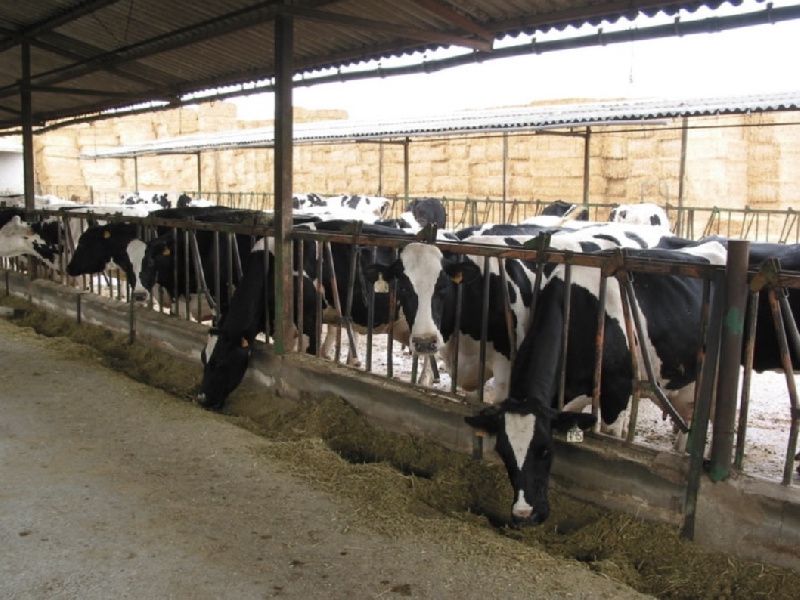
Feed represents a substantial operating expense for poultry and livestock farms, making ingredient prices an important influence on returns. Producers maintaining their output face lower earnings when sales prices weaken and feeding expenses remain high. Soybean meal is another important input: domestic harvests, availability and commodity-price movements affect both the expense of feed mixtures and the consistency with which they can be supplied.
Conditions in aquaculture differ by location and product. Fish and shrimp prices have followed different paths across species and regional markets, reflecting differences in supply and demand. These variations complicate the outlook for individual farms’ earnings. The article identifies more accessible market information, more efficient production and closer relationships with buyers as ways to help producers manage those uncertainties.
Industry perspectives cited in the article include those of Sunil Kataria of Godrej Agrovet and Divya Kumar Gulati of CLFMA of India. They emphasise combining improvements in animal nutrition, breeding and healthcare with measurable results at farm level. The proposed approach places greater weight on animal performance and economic returns, rather than assessing expansion chiefly through the quantities of feed sold or agricultural products produced. Measures include the efficiency with which animals convert feed into output, reproductive performance and health.
Nutritional management can improve the use animals make of feed, while disease prevention can limit lost production and unplanned veterinary spending. High temperatures are another concern in India’s tropical conditions, affecting animals’ appetite, growth, breeding and milk yields. Housing design, ventilation, access to water and adjustments to nutrition are among the measures identified for managing heat stress. Vaccination, veterinary care, farm hygiene and disease monitoring are also highlighted as means of protecting herds and flocks and avoiding interruptions to production.
Obtaining long-term funding remains a constraint for agricultural businesses and farmers seeking to upgrade their operations. Buildings, machinery, breeding programmes and better feed management all require investment, as do processing plants and refrigerated distribution facilities. Smaller producers can struggle to secure the necessary capital. The article includes access to suitable finance, dependable inputs and improved technology among the requirements for strengthening farm businesses.
The supply of domestically grown soybeans is a further consideration for feed manufacturers. The article identifies increased soybean productivity and greater local ingredient availability as potential means of reducing exposure to changing input-market conditions. More efficient purchasing and storage could also strengthen feed supply networks. These priorities sit alongside the proposed shift towards judging feed suppliers by demonstrable gains in animals’ feed efficiency, health and farm productivity, rather than sales volumes alone.
Digital routes to market could give farmers clearer price information, connect them with purchasers and support production and commercial decisions. Investment in processing and preparations for export markets are also identified as potential sources of additional sales opportunities for India’s animal-protein businesses. The article calls for coordination among feed manufacturers, breeding businesses, animal-health providers, farm operators, processors and traders, with a greater emphasis on the share of value reaching producers.