India’s dairy shift could add 3.5 crore litres daily
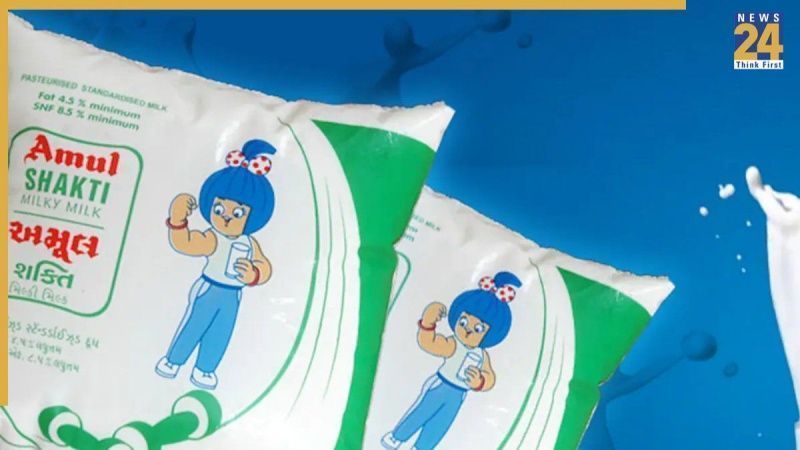
India continues to sell and consume a considerable share of its milk and dairy products through loose or informal channels. Mehta said that a gradual change in consumer purchasing, with 5% of the market moving annually to packaged and branded products, could shift about 3.5 crore litres of milk per day into the formal dairy economy.
Mehta described the potential scale by saying that the transition could be equivalent to adding “another Amul every year” to the market. His comments concerned the capacity of a relatively small annual change in the channel through which milk is sold to increase the volume handled by organised dairy businesses.
The move into formal channels covers several stages of the dairy value chain. These include milk collection, processing, packaging, cold-chain logistics and the sale of branded dairy products. Organised cooperatives and private processors could participate in a larger packaged-milk market as more supplies enter established procurement and processing systems.
For producers, formal channels provide access to structured procurement networks and quality-control systems, according to the article. For consumers, packaged dairy offers more consistent processing, testing, packaging and traceability than loose products. The change also relates to the development of value-added categories, including paneer, curd, cheese and flavoured milk.
Mehta’s remarks identify an expansion opportunity for established dairy brands as consumer preferences change. A sustained move towards branded products would increase the market available to organised players and support investment in processing and distribution infrastructure, while connecting farmers, processors and consumers through more structured supply chains.
The shift is part of a wider formalisation of India’s food and dairy industries. Greater formalisation can strengthen quality monitoring and supply-chain visibility. India’s large milk-production base and rising demand for branded food products mean that a gradual change in the share of milk sold through organised channels could amount to billions of additional litres in formal-sector demand over time.