India remains the world’s largest goat-milk producer
India is the world’s largest producer of goat milk, contributing approximately 30% of global output, according to data from the Food and Agriculture Organization and national livestock reports. The latest Basic Animal Husbandry Statistics put goat milk’s share at 3.32% of India’s total domestic milk supply.
The sector is based on a large, dispersed goat population and indigenous breeds adapted to local conditions. Jamunapari, Beetal, Jakhrana, Surti and Zalawadi are among the recognised dairy lines. They are associated with milk-solids production, reproductive performance and hardiness, according to the source.
Goat production is distributed across Rajasthan, Uttar Pradesh, Maharashtra, Bihar, Madhya Pradesh, Gujarat, Andhra Pradesh and Tamil Nadu. The animals are commonly kept within extensive grazing and mixed-farming systems. Compared with bovine dairy herds, goats require less investment in green fodder, water infrastructure and other intensive inputs.
In arid and semi-arid areas, goats can use lower-quality forage and continue to be kept where drought and heat stress affect conventional dairy operations. The source describes small ruminants as part of agricultural adaptation strategies in these regions, while also identifying their importance to household livelihoods and food supply.
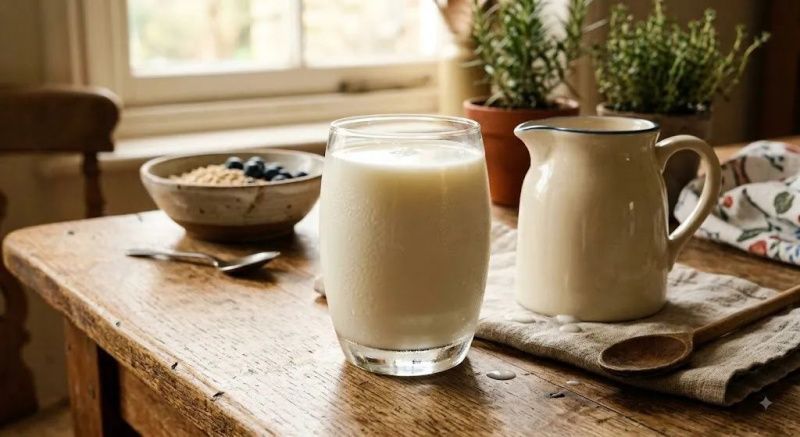
Goat milk is entering formal dairy chains alongside household production. Its smaller fat globules, relatively higher share of medium-chain fatty acids and different casein structure from cow and buffalo milk have supported demand for specialist products. These include artisanal cheese, fermented curd, yoghurt, infant-nutrition products and packaged therapeutic beverages.
The industry remains constrained by informal collection, limited cold-chain aggregation and uneven access to organised veterinary services. The source says that greater commercial value would require a shift from fragmented backyard milking towards cooperative or farmer-producer-organisation collection systems, with prices linked to quality. It also identifies organised processing as an area of development as demand for specialised dairy proteins and pressure on water resources increase.