India’s Telangana has a green-fodder deficit of nearly 62%
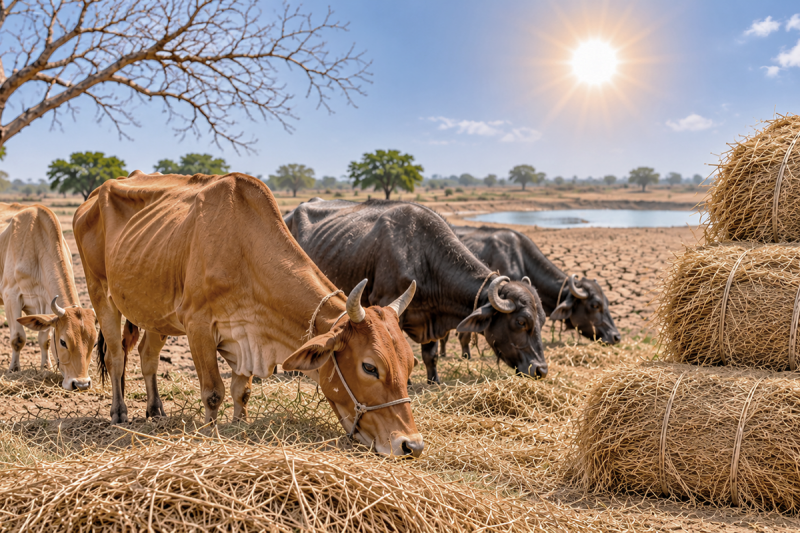
The green-fodder estimates come from the National Institute of Animal Nutrition and Physiology and the ICAR-Indian Grassland and Fodder Research Institute. Telangana has a surplus of dry fodder: annual output is approximately 15 million tonnes, compared with estimated needs of 12.75 million tonnes. Residues from rice and maize cultivation account for much of that supply. Nevertheless, inadequate access to nutritious green forage and concentrate feed continues to constrain livestock nutrition and productivity. Dairy farms rely on a combination of crop residues, planted fodder and local grazing, with smallholders frequently unable to provide sufficient feed.
Telangana has approximately 4.233 million cattle and 4.226 million buffaloes. Animals with high milk output generally need between 25 and 30 kilograms of green fodder each day to sustain nutrition and production. Irregular monsoon rainfall, extended periods without rain and higher temperatures have disrupted rain-fed cultivation of fodder crops, including sorghum, maize, bajra and cowpea. Reduced farming activity has also limited crop residues available for feeding livestock. Degradation of grazing areas and lower biomass output have increased reliance on bought-in fodder, adding to costs for farmers who already purchase much of their animals’ feed.
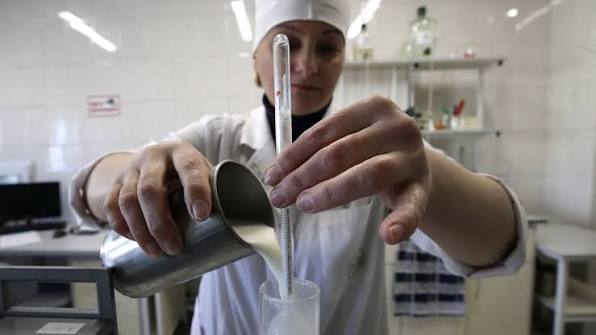
Milk output in the state totalled approximately 5.935 million tonnes in 2024–25. The production target for 2025–26 was set at 6.175 million tonnes. At Vijaya Dairy, average daily procurement rose to about 400,000 litres in 2024–25, then fell to 336,000 litres in 2025–26. The decline occurred amid extended lean-season conditions, feed constraints and weaker animal performance. These pressures affect small dairy holdings, milk cooperatives and organised processors, as well as consumers in urban markets.
Feed shortages and heat stress can place further pressure on milk production. Inadequate nutrition together with high temperatures can cut yields by 10–30%, alter milk composition, shorten lactation and impair reproductive performance. Water scarcity adds to the difficulties of managing livestock. A further reduction in rice cultivation could also restrict the supply of residues used for feed. Feed and fodder represent approximately 60–70% of milk-production costs; further price increases could squeeze farm margins, prompt distressed livestock sales and reduce household income.
In October 2026, Telangana’s chief minister, A Revanth Reddy, warned that drought linked to El Niño could last eight to ten months. He also identified critically low reservoir levels as an additional problem for crop production and livestock farming. The state government has begun measures to address fodder shortages. Its proposed interventions include using employment-guarantee programmes to grow fodder on tank-bed land, creating village centres that supply fodder and drinking water, and speeding up distribution of subsidised fodder seed.
The proposed village centres and cultivation programmes are intended to increase near-term feed supplies and ease pressure on livestock-owning households. The longer-term measures outlined for addressing the persistent green-fodder shortfall include greater cultivation of drought-tolerant varieties, such as Bajra-Napier hybrids, and the creation of community fodder banks. Improved treatment of crop residues is another option identified for making better use of existing agricultural feed resources.
Other measures identified include conserving fodder as silage and hay, improving irrigation, widening access to quality concentrate feed and strengthening veterinary services. These approaches are presented as ways to support livestock productivity during periods of climatic stress. The longer-term programme also calls for sustained investment in feed systems, animal nutrition and farmer support, alongside coordinated agricultural planning.