India's Trade Deal with US Blocks Dairy Imports to Protect Local Industry
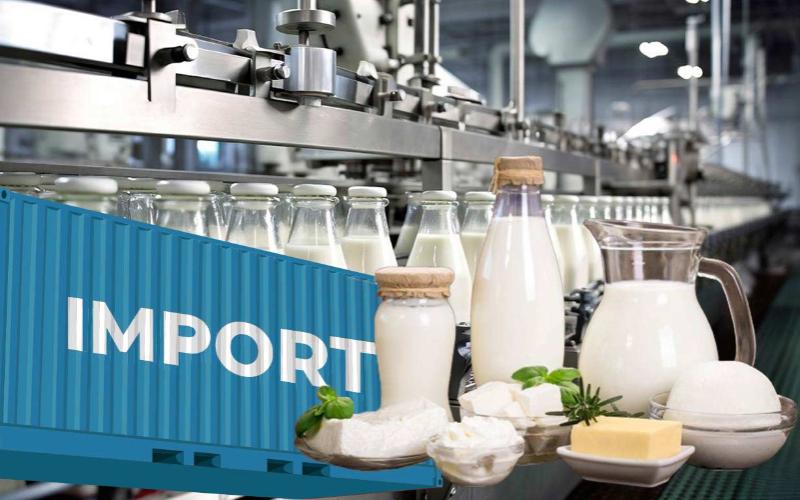
India has taken a definitive stance in shielding its dairy industry by blocking the importation of certain US dairy products. This measure is part of a broader trade agreement between India and the United States, aimed at supporting domestic farmers and preserving cultural dietary practices.
The primary products affected by this import block include milk, curd, and ghee. These items hold substantial cultural significance in India, and local production forms a major part of the livelihood for many Indian farmers. By restricting these imports, India aims to prevent market disruption caused by foreign competitors.
Reports indicate that the Indian government is prioritizing the protection of its agricultural sector, which is a vital component of the nation's economy. This decision aligns with India's strategy to maintain self-sufficiency in agricultural outputs and safeguard its traditional food systems.
Trade talks between the two nations continue, but the dairy sector remains a point of contention. The Indian government's decision underscores its commitment to ensuring that local producers are not adversely affected by international trade agreements.
The implications of this trade deal are significant for both Indian farmers and US exporters. While it protects Indian producers, it limits US access to one of the largest markets in the world, highlighting the complexities involved in international trade negotiations.