India's Dairy Sector Faces Challenges and Opportunities in Value Addition
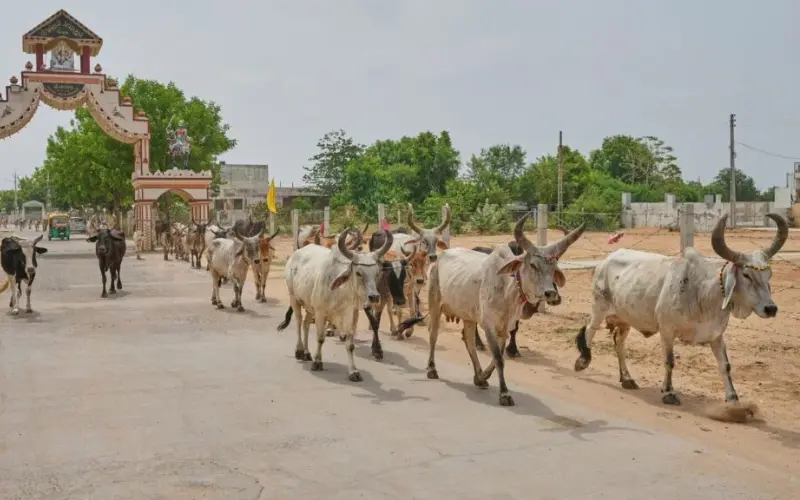
India continues to dominate the global dairy industry, accounting for approximately one-fourth of the world's milk production. In the 2023-24 period, India produced around 239 million tonnes of milk, with a per capita availability of 471 grams per day. This establishes India's position as the largest milk producer globally, emphasizing the sector's significance in national food and nutritional security.
The composition of India's milk production offers a strategic advantage; cow milk contributes nearly 50% and buffalo milk about 44% of the total output. This facilitates the production of high-fat and high-SNF dairy products like ghee and paneer. However, about 65% of milk is still sold as liquid milk, indicating a reliance on low-margin commodities.
Value-added dairy products (VAPs) are the fastest-growing segment, with items such as curd, paneer, and cheese accounting for close to 45% of organized dairy portfolios. Nonetheless, nearly two-thirds of India's milk flows through the unorganized sector, which limits quality assurance and regulatory oversight.
A persistent issue in the Indian dairy sector is milk adulteration, with reports indicating that 65-70% of milk samples fail to meet food safety standards. Adulteration methods have evolved, involving complex chemical manipulations. Regulators have increased inspections and penalties, but experts stress the need for modern testing infrastructure and consumer awareness to ensure accountability.
The consumption patterns in India show a blend of traditional and modern trends. Approximately 50% of marketed milk is consumed as fluid, 35% in traditional products, and 15% in industrial dairy products. The growth in value-added products is outpacing that of liquid milk, driven by urbanization and health-awareness trends.
Economically, the Indian dairy market was valued at approximately ₹21.3 lakh crore in 2025, contributing nearly 5% to India's GDP. As the sector shifts towards higher-value branded products, challenges from climate change and the need for technological adoption become more pressing.
Overall, while India's dairy production and value-added diversification are expanding, issues like milk adulteration pose a threat to public health and trust. The future depends on consistent quality, transparency, and safety improvements.