India Reduces GST to Support Dairy Cooperatives and Farmers
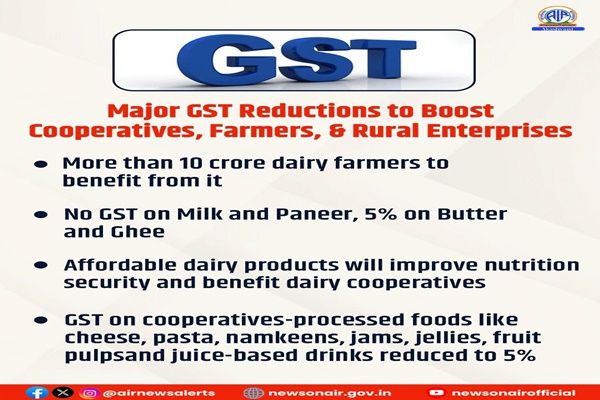
India's central government has announced a reduction in Goods and Services Tax (GST) rates, specifically targeting the cooperative sector to bolster its growth and support millions of dairy farmers nationwide. The initiative is expected to lower operational costs and improve financial efficiency, aiding nearly 100 million farmers involved in dairy cooperatives.
The GST relief is aimed at cooperative societies engaged in dairy production, livestock activities, and rural supply chains. By reducing the tax burden, the government intends for cooperatives to have more flexibility in investing in processing infrastructure, milk collection systems, and services for farmers. This initiative is anticipated to enhance liquidity across village-level dairy networks.
India's dairy cooperative structure is among the largest globally, connecting millions of smallholder farmers to formal milk markets. Policymakers suggest that reducing compliance and taxation pressures will help cooperatives stay competitive and improve income opportunities for rural producers. The measure is part of broader efforts to empower farmer-led organizations and expand agricultural value chains.
Government representatives emphasize the crucial role of the cooperative sector in employment generation, food security, and rural stability. Dairy cooperatives have been central to India's milk production growth, integrating small farms into national and international dairy supply systems. The GST adjustment is part of a larger strategy to modernize and expand cooperative-led agribusiness models.
Industry observers believe that the tax changes could provide significant support, especially as producers face challenges such as rising input costs and market volatility. By reducing administrative and financial pressures, dairy cooperatives may improve efficiency, expand procurement, and strengthen farmer participation. Analysts note that the move reinforces India's long-term commitment to cooperative-driven dairy development as global demand for dairy products continues to rise.
This decision aligns with India's ongoing strategy to bolster its agricultural sectors, ensuring that the cooperative model remains a vital force in the country's rural economy.