India–New Zealand FTA Excludes Dairy, Targets Trade Doubling
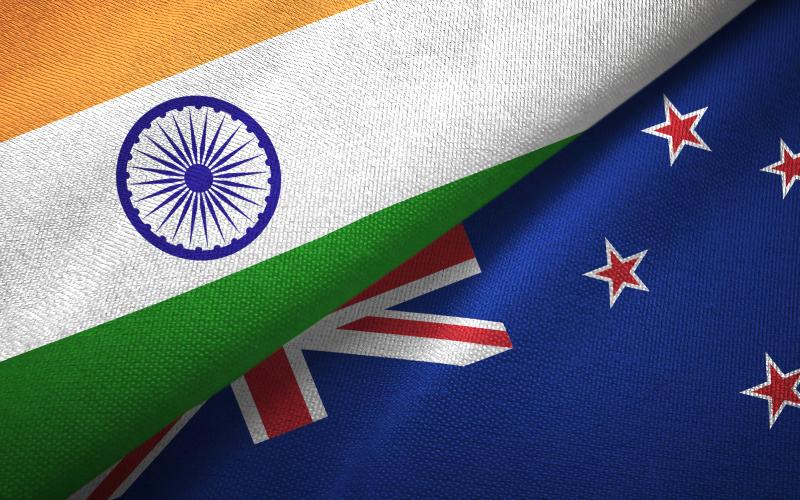
The India–New Zealand Free Trade Agreement (FTA), signed on January 14, 2026, establishes a framework for economic cooperation between the two nations. One of the key features of this agreement is the provision for zero-duty access for a wide range of Indian exports to New Zealand. However, the dairy sector was notably excluded from this agreement, reflecting the sensitivity and economic significance of dairy trade for both countries.
The decision to exclude dairy products from the FTA was influenced by concerns from New Zealand's dairy industry, which is a vital part of its economy. New Zealand is one of the world's largest dairy exporters, and opening up its market to Indian dairy imports could have significant implications for local producers.
The FTA is part of a broader strategy to enhance trade relations and aims to double the bilateral trade from current levels over the next five years. This ambitious target highlights the importance both countries place on expanding their economic ties, despite the exclusion of dairy.
Indian exports that will benefit from zero-duty access include textiles, pharmaceuticals, and machinery. These sectors are expected to see significant growth in exports to New Zealand as a result of the FTA.
New Zealand's economy is expected to benefit from increased access to the Indian market, particularly in sectors like education, technology, and tourism. The agreement reflects a strategic partnership focused on long-term economic growth and cooperation.
The deal comes at a time when both countries are seeking to diversify their trade portfolios and reduce dependence on traditional markets. By focusing on complementary sectors, the FTA aims to create a balanced trade relationship that is mutually beneficial.