Impact of Oil and Dairy Prices on Australia's Inflation Metrics
The Australian Bureau of Statistics is set to release data on Wednesday indicating that both headline and underlying inflation in Australia rose in May. The increase is attributed to the ongoing effects of the Middle East conflict on supply chains, which continue to influence economic conditions.
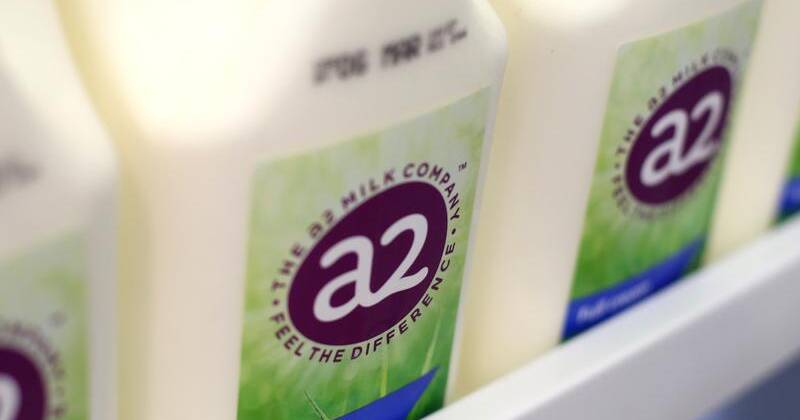
Key to this analysis is the price of perishable goods, particularly milk, which tends to be among the first categories to reflect price changes. ANZ economists Madeline Dunk and Adam Boyton noted increases in home-brand milk prices since late April, suggesting higher prices across fresh food categories such as milk, fruits, and vegetables.
The Reserve Bank of Australia (RBA) remains vigilant regarding the broader impact of fluctuating oil prices. Although oil prices dropped to their lowest since March, the secondary effects of previous energy price shocks may persist, potentially pushing consumer prices upward.
Recently, a tentative truce has allowed increased cargo transit through the Strait of Hormuz, although full recovery of supply chain disruptions is expected to take months. Despite the reopening, oil prices were already trending lower in May.
Commonwealth Bank senior economist Trent Saunders forecasts that annual headline inflation might decrease slightly to 4.1% from 4.2% in April. Fuel prices are predicted to decrease by 12.3% for the month, which could reduce monthly inflation by 0.4 percentage points. However, underlying inflation measures excluding fuel are expected to show a slight increase, with a monthly trimmed mean projected to rise to 3.5%.
Additional data from an ABS survey indicates that only 11% of businesses have increased prices in response to higher fuel costs, with most firms choosing to absorb these costs instead. If May's data shows minimal second-round pass-through effects, it might suggest that inflation could fall short of the RBA's forecasts.
In related economic news, unemployment is expected to drop to 4.4% following an unexpected rise in April, and household spending is anticipated to recover by 0.7% in May after a 1.1% decline in April, according to Westpac economists. Meanwhile, the Reserve Bank's Deputy Governor Andrew Hauser is scheduled to address the Economic Society of Australia on Wednesday.