Impact of Heat Stress on Dairy Cow Productivity and Solutions
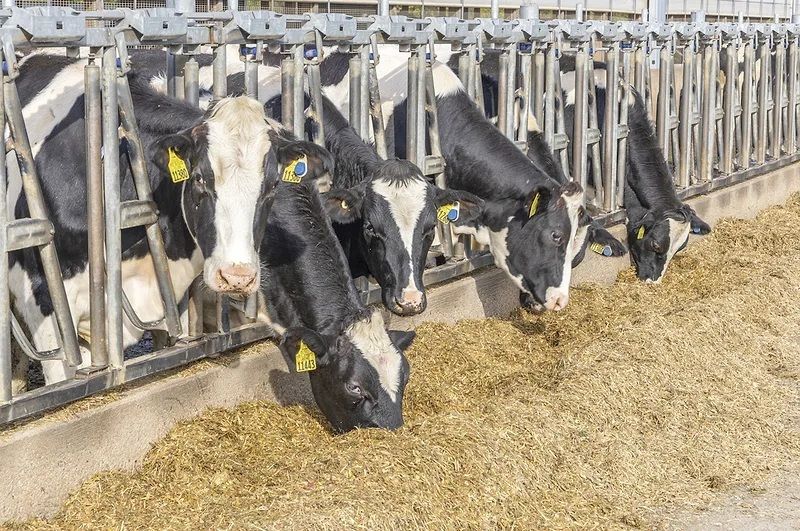
High summer temperatures pose a significant threat to commercial dairy operations, impacting dairy cows' productivity. When ambient temperatures exceed 65°F, dairy cows struggle to manage the internal metabolic heat produced during digestion and lactation. This leads to reduced dry matter intake and redirected blood flow, which compromises the digestive lining's integrity and leads to a condition known as 'leaky gut.'
The weakened digestive lining allows pathogenic elements like E. coli and Salmonella to enter the bloodstream, triggering an energy-intensive immune response. This response diverts nutritional resources away from milk production, resulting in decreased milk solids and volume. Additionally, this state makes cows more susceptible to metabolic disorders such as ketosis and acidosis, affecting reproductive performance.
To counteract these effects, dairy nutritionists are increasingly using targeted probiotics. Strains such as Lactobacillus animalis, Propionibacterium freudenreichii, Bacillus subtilis, Bacillus licheniformis, and live yeast (Saccharomyces cerevisiae) help stabilize the rumen environment and reduce harmful bacteria. These probiotics strengthen intestinal walls, improve nutrient digestibility, and enhance overall feed conversion efficiency, even when feed intake is reduced.
A comprehensive barn management strategy is also essential for maximum heat mitigation. This includes using high-volume ventilation fans, active soaker lines, shaded holding areas, and ensuring continuous access to clean, cooled water. By integrating these measures with specialized summer rations, dairy producers can protect their herds from seasonal economic losses.