Impact of Heat Stress on Dairy Cattle and Milk Production
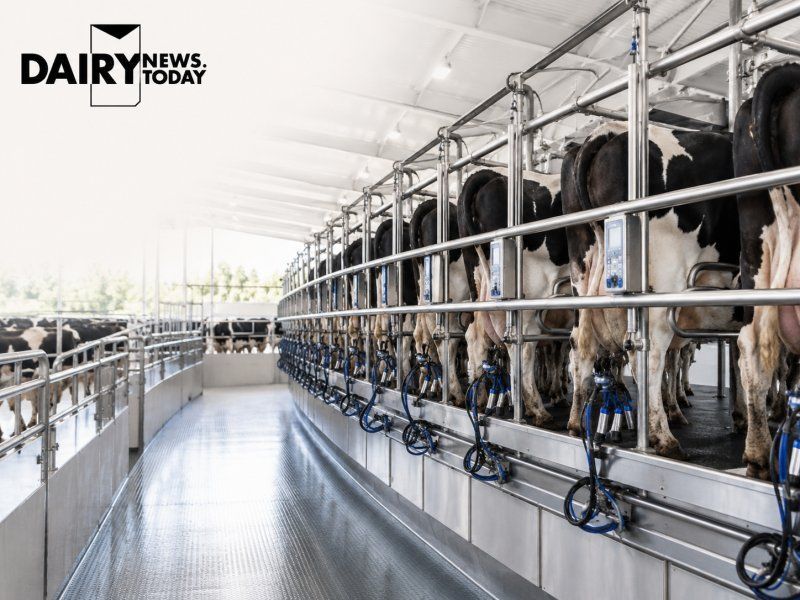
Heat stress is increasingly recognized as a major challenge for dairy farms, impacting both the health of the cows and the overall profitability of the operations. High temperatures and humidity levels contribute to a range of adverse effects on dairy cattle. These conditions lead to a decrease in milk production, which is one of the most immediate and measurable impacts.
Additionally, heat stress has been found to alter the metabolism of cows, affecting how they process nutrients and maintain energy levels. This metabolic disruption can lead to further health complications, including issues with digestion and fertility. The ability of cows to digest their feed efficiently is compromised, which in turn affects their overall health and productivity.
Moreover, the fertility of dairy cows is negatively impacted by heat stress, as it can lead to lower conception rates. This presents a significant challenge for dairy farmers who rely on consistent reproduction cycles to maintain herd numbers and milk production levels.
Another critical aspect affected by heat stress is the immune system of the cows. A weakened immune response can make cows more susceptible to diseases, which can further decrease milk production and increase veterinary costs for farmers.
Overall, the impact of heat stress on dairy cattle is multifaceted, affecting their health, productivity, and the economic viability of dairy farming. Addressing heat stress through improved farm management practices and infrastructure is essential for sustaining dairy production in the face of rising temperatures.