Impact of Dairy on Children's Health: Nutritional Insights and Guidelines
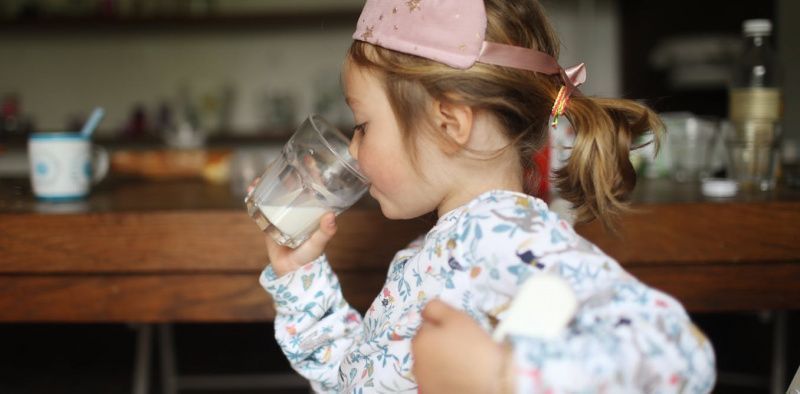
Scientific studies have shown that dairy products play a significant role in the growth and development of children, providing essential nutrients such as calcium, iodine, and protein. These nutrients are crucial for building strong bones and supporting overall health from childhood through adulthood. For most children, regular dairy consumption is associated with higher bone density and a lower risk of fractures.
Despite these benefits, there are valid concerns regarding dairy for certain children. Cow's milk allergy affects a small percentage of young children, causing symptoms like hives or wheezing. Such children require medical assessment and may need to avoid dairy. In contrast, lactose intolerance, which causes digestive discomfort, becomes more common with age but is not an allergy.
Some parents worry about dairy's effects on asthma and mucus production, but research does not support these concerns. While dairy can leave a temporary coating in the mouth, it does not increase mucus production.
During toddlerhood, it's important to balance dairy intake with iron-rich foods to prevent iron deficiency. Guidelines recommend varying dairy servings by age, with toddlers consuming 1–1.5 serves and teenagers needing up to 3.5 serves per day. The guidelines also suggest reduced-fat dairy from age two, although newer evidence questions the assumptions about saturated fats.
Different types of milk, including full-cream, low-fat, and skim, all provide essential nutrients, with variations mainly in calorie and fat content. While plant-based milks are available, they often lack the protein and calcium content found in dairy milk, except for fortified soy milk, which is a suitable alternative for those with allergies.
To increase dairy intake, families can replace discretionary snacks with dairy options and incorporate dairy into meals, such as using yoghurt in cereals or cheese in salads. It's advisable to choose plain yoghurts to avoid added sugars.