Impact of Avian Influenza on Raw Milk Safety and Industry Practices
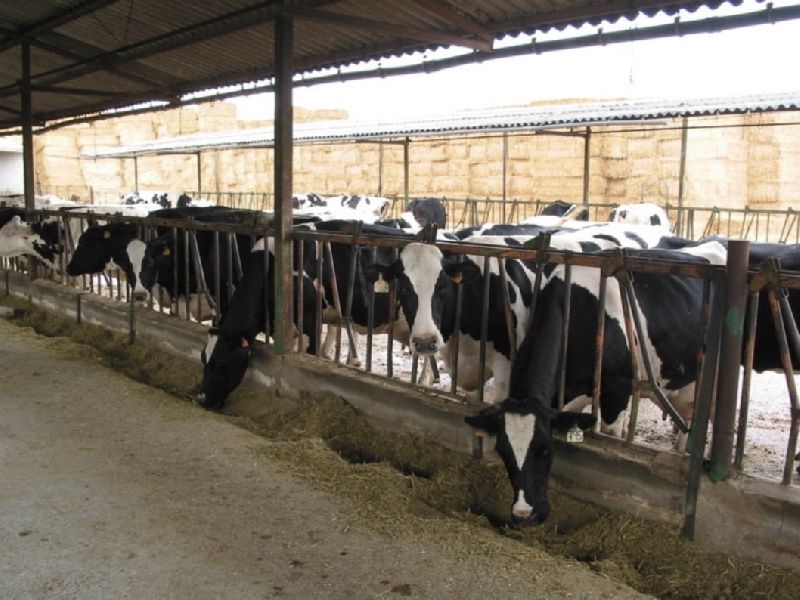
The ongoing debate about raw milk has taken a new turn with the discovery of the H5N1 virus in US dairy herds. Historically, raw milk has been favored by some consumers for its perceived authenticity and minimal processing. However, the recent detection of avian influenza in cattle has raised significant health concerns.
In March 2024, the Centers for Disease Control and Prevention (CDC) reported the first outbreak of H5N1 in dairy cows. The presence of this virus in raw milk has led to increased scrutiny from health authorities and researchers. A study published in the Journal of Food Protection revealed that genetic material of the H5N1 virus was found in raw milk samples, with some containing infectious virus particles.
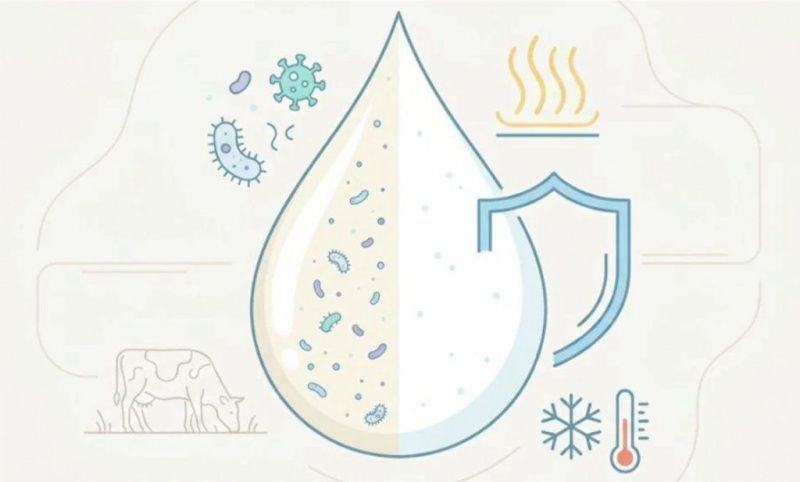
The study also examined the effectiveness of continuous high-temperature short-time pasteurization. The results confirmed that this process can inactivate the H5N1 virus, underscoring the importance of pasteurization in protecting public health. This finding aligns with longstanding food industry practices that emphasize technological barriers to prevent pathogen transmission.
The implications of this issue extend beyond milk. Products like fresh cheeses, artisanal butter, yogurt, and kefir made from unpasteurized milk are also potential risks if not adequately controlled. These concerns are particularly pertinent when such products lack clear labeling, inspection, or adequate preservation measures.
Consumers are advised to check labels for information about pasteurization and certifications. This guidance is especially critical for vulnerable populations, including children, pregnant women, the elderly, and immunocompromised individuals, who are at higher risk of severe illness from foodborne infections.
While the avian influenza outbreak has not rendered milk unsafe, it has reawakened discussions about the balance between natural food production and safety. As interest in natural products grows, these developments serve as a reminder of the ongoing need for stringent safety measures in the dairy industry.