Impact of Feeding Waste Milk on Calves: Teagasc Study Insights
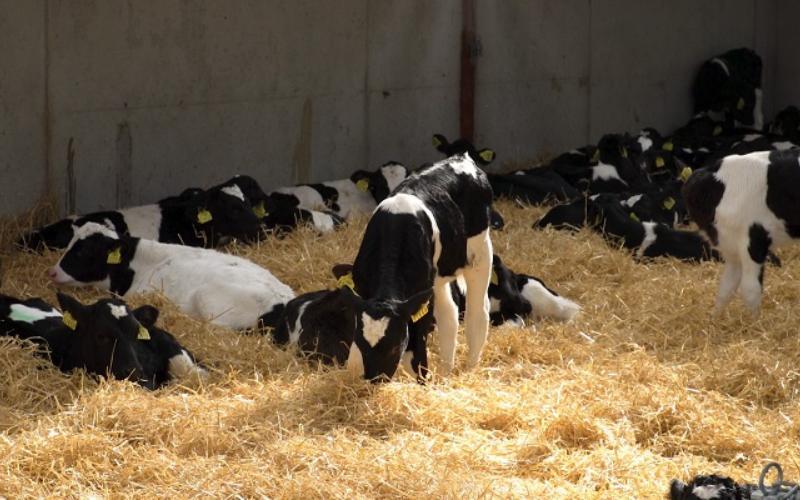
Teagasc, a leading agricultural research organization, recently published a study on the effects of feeding waste milk (WM) to calves at its Moorepark facility. The study examined calves fed with WM for different durations during the pre-weaning period, specifically comparing those fed WM for the entire 12 weeks with those fed for just three to five weeks.
According to the findings, there was no observable difference in calf weights or average daily gain, both pre-weaning and post-weaning. The overall health of the calves remained high, with minimal signs of illness and no significant respiratory issues recorded throughout the study.
Interestingly, the research noted that calves fed WM during the entire pre-weaning period exhibited slightly better health compared to those not offered WM. Additionally, faecal scores from calves fed WM between three and five weeks old were higher, suggesting improved gut health.
Despite these findings, the presence of antimicrobial-resistant bacteria was detected on staff boots and feeding equipment used for calves fed WM. Teagasc concluded that while WM might influence gut development positively, it also poses risks by potentially increasing antimicrobial resistance and disrupting gut microbiota.
Teagasc advised farmers against feeding WM, emphasizing the potential risks, particularly the spread of antimicrobial-resistant bacteria and disturbed gut microbiota during stressful growth periods. However, for those who choose to feed WM, the researchers recommend starting three days post-treatment and ensuring rigorous hygiene standards.